

Chamorro Culture Inspired Clothing Designs
Table of Contents
- What Makes Chamorro Culture Inspired Clothing Different
- The History and Heritage Behind Island Textile Traditions
- Understanding the Meaning of Chamorro Latte Stone Symbols
- Traditional Motifs and Modern Island-Inspired Aesthetics
- How to Research Cultural Symbols for Clothing Authentically
- Cultural Appropriation in Fashion: Drawing the Line
- Wearing Chamorro Culture Inspired Designs With Pride
- Frequently Asked Questions
Last Updated: September 3, 2026
What Makes Chamorro Culture Inspired Clothing Different
Chamorro culture inspired clothing stands apart because it weaves historical meaning into every design element. This isn't generic island aesthetic slapped onto a blank canvas, it's a deliberate conversation between ancestral symbolism and contemporary streetwear. When you wear pieces rooted in Chamorro heritage, you're carrying stories, not just wearing fabric.
The distinction matters. Many brands claim to celebrate Pacific Islander identity, but they often miss the depth. They grab surface-level imagery without understanding what those symbols actually represent. At Hella Disrespectful Clothing, the approach is different. The Hafa Culture series, for example, integrates authentic Chamorro elements with bold streetwear energy, creating pieces that feel earned rather than borrowed.

What separates authentic Chamorro culture inspired clothing from appropriation is intentionality and knowledge. Real representation requires understanding the latte stones, the tribal patterns, the 671 area code significance, and the historical weight these elements carry. It means respecting the cultural narrative instead of treating it as a decorative trend.
The best Chamorro culture inspired apparel honors the past while speaking to the present. It's designed for people who have genuine connection to the culture, whether through heritage, residence, or deep respect for the island's history. These pieces become wearable identity statements, not costume pieces.
The History and Heritage Behind Island Textile Traditions
Island textile traditions in Guåhan span centuries, rooted in the resourcefulness and artistry of Chamorro people. Before Spanish contact, weavers created textiles from natural materials, developing techniques that transformed coconut fibers, palm leaves, and other island resources into functional and decorative pieces (si.edu). These weren't just practical, they were cultural markers, with specific patterns and weaving methods passed down through generations.
The Spanish colonial period (1668-1898) introduced new materials and techniques, blending indigenous methods with European influences (loc.gov). This fusion created the mestisa style, a distinctive aesthetic that became central to Chamorro fashion identity. Mestisa dresses combine Spanish silhouettes with island sensibilities, becoming an iconic representation of Chamorro femininity and cultural pride.
Understanding this layered history is essential for anyone creating or wearing Chamorro culture inspired clothing. The textile traditions represent resilience, Chamorro people maintained cultural expression through textiles even during periods of colonization and external pressure. That resilience lives in every authentic design.
Modern Chamorro culture inspired clothing draws from this heritage. Designers reference traditional patterns, incorporate symbolic elements like latte stones, and use color palettes inspired by the island landscape. The coconut weaving traditions inspire contemporary block prints and textile designs. These connections aren't accidental, they're deliberate choices to maintain cultural continuity.
Understanding the Meaning of Chamorro Latte Stone Symbols
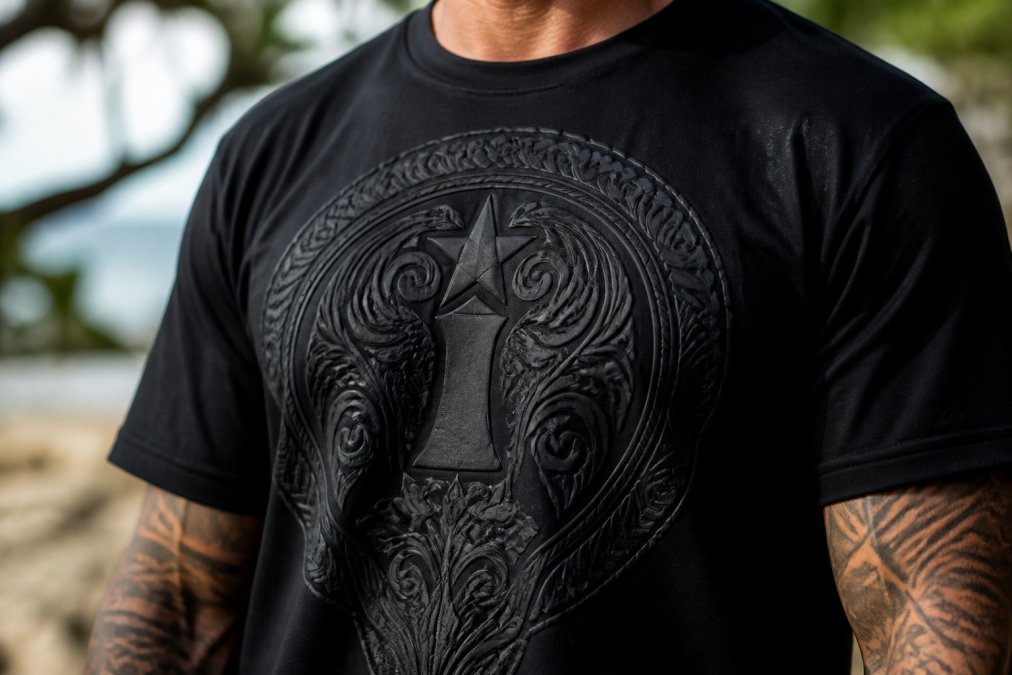
The latte stone is the most recognizable symbol in Chamorro culture. These massive limestone pillars, topped with capstones, once supported ancient Chamorro structures (peer-reviewed research). They represent strength, permanence, and connection to ancestors. When you see a latte stone design on clothing, you're looking at a symbol of heritage and historical continuity.
Each latte stone carries weight beyond its physical form. They're architectural remnants of pre-colonial Guåhan, evidence of sophisticated Chamorro civilization. Using latte stones in Chamorro culture inspired clothing designs means invoking that ancestral presence, acknowledging the people who built these structures and the culture that created them.
The symbolism extends beyond aesthetics. Latte stones represent foundation, literally and metaphorically. They're what Chamorro identity stands upon. When designers incorporate latte stone imagery into apparel, they're making a statement about grounding oneself in cultural identity. For wearers, it becomes a personal anchor to heritage.
Different representations carry different meanings. A simple latte stone silhouette emphasizes the architectural element. A latte stone paired with island scenery connects the symbol to place. A latte stone integrated with other Chamorro motifs creates a more complex narrative about cultural identity. Understanding these distinctions helps you choose pieces that align with what you're trying to communicate.
The Guåhan Culture Tee from Hella Disrespectful Clothing exemplifies thoughtful latte stone integration. The design places the latte stone within a broader island context, including tropical scenery, traditional patterns, and the 671 area code. This layered approach tells a fuller story than a standalone symbol could.

Traditional Motifs and Modern Island-Inspired Aesthetics
Traditional Chamorro motifs include geometric patterns, tribal designs, and nature-inspired imagery rooted in island life. These patterns appear in ancient textiles, carved designs, and decorative elements throughout Guåhan's cultural history. When modern designers incorporate these motifs into apparel, they're creating a visual bridge between past and present.
Block prints are one way contemporary designers honor traditional patterns. These hand-stamped or digitally-printed designs reference the geometric complexity of traditional Chamorro textile work. A well-executed block print on quality fabric captures the texture and intentionality of historical textile arts, translating them into wearable form.
Tribal patterns in Chamorro culture inspired clothing draw from indigenous Pacific Islander aesthetics. These aren't generic tribal designs, they're specific to Chamorro visual language. The patterns often incorporate elements from nature: ocean waves, coconut palms, stars, and island topography. Each pattern tells a story about island life and cultural identity.
Modern island-inspired aesthetics blend these traditional elements with contemporary streetwear sensibilities. The result is clothing that feels both rooted in history and relevant to current fashion. Bold graphics, premium fabric quality, and confident design choices make these pieces feel authentic rather than nostalgic.
The key is respecting the source material. Designers who understand Chamorro cultural history create motifs that feel earned. They don't treat traditional patterns as decoration, they treat them as cultural language. This distinction is immediately visible in the final product. Quality Chamorro culture inspired clothing designs show evidence of research and respect.
How to Research Cultural Symbols for Clothing Authentically
Authentic research starts with primary sources. Books about Chamorro history, academic studies on Pacific Islander cultures, and resources created by Chamorro scholars provide reliable information. These sources explain not just what symbols look like, but why they matter and what they represent.
Connect with community voices. If you have access to Chamorro cultural organizations, community leaders, or cultural educators, their insights are invaluable. They can clarify which symbols are appropriate for commercial use, which carry sacred or restricted meanings, and how contemporary Chamorro people view cultural representation in fashion.
Understand the context before using any symbol. A latte stone isn't just a pretty image, it represents ancestral presence and cultural continuity. The 671 area code isn't just a geographic marker, it's a source of pride and identity for people from Guåhan. Research what these elements mean to the community they represent.
Examine existing examples of Chamorro culture inspired clothing to see how other designers approach symbolism. Look at pieces from Chamorro-owned brands and designers. Notice how they integrate symbols, what patterns they choose, and how they balance cultural authenticity with contemporary design. This gives you a practical sense of what thoughtful representation looks like.
Document your research process. If you're creating custom apparel or designs, keep notes about where your inspiration comes from and what you learned about each symbol. This documentation becomes important if someone questions your choices, you can explain your reasoning and show you approached the work respectfully.
Avoid shortcuts. Don't assume you understand a symbol's meaning based on how it looks. Don't combine symbols randomly just because they're visually appealing. Don't treat Chamorro cultural elements as interchangeable with other Pacific Islander cultures. Each of these shortcuts leads to misrepresentation.
Cultural Appropriation in Fashion: Drawing the Line
The line between appreciation and appropriation comes down to knowledge, respect, and intent. Appreciation means understanding what you're wearing and why it matters. It means researching before designing. It means centering the voices of people from that culture in your creative decisions. Appropriation means taking cultural elements without understanding them, profiting from them without benefit to the originating community, or using them as a trend.
Appropriation often involves stripping symbols of their meaning. A latte stone becomes just a cool design element. Traditional patterns become generic tribal prints. The 671 becomes a trendy number without understanding what it represents to Chamorro people. When cultural elements lose their context, they become hollow.
Intent matters, but it's not the only measure. Someone might genuinely love Chamorro culture and still create appropriative designs if they skip the research phase. Good intentions don't replace actual knowledge. The work of understanding comes before the work of creating.
Profit is another critical consideration. If you're making money from Chamorro culture inspired designs, are you benefiting Chamorro communities? Are you crediting your sources? Are you transparent about your relationship to the culture? Brands that profit from cultural designs while ignoring the communities those cultures come from are engaging in appropriation, regardless of how good the designs look.
Representation matters. Who's behind the brand matters. A Chamorro-owned business creating Chamorro culture inspired clothing is fundamentally different from a non-Chamorro brand doing the same work. This doesn't mean non-Chamorro people can't create respectful designs, but it does mean they need to be more thoughtful, more transparent, and more committed to centering Chamorro voices.
The practical line: If you can't explain why you chose a specific symbol, if you can't trace your design inspiration to credible sources, or if you haven't consulted with people from the culture you're representing, you're probably crossing into appropriation. Authentic Chamorro culture inspired clothing requires doing the work upfront.
Wearing Chamorro Culture Inspired Designs With Pride
Wearing Chamorro culture inspired clothing is a statement. It says you value your heritage, you understand its significance, and you're willing to represent it publicly. This carries weight, especially for people with direct Chamorro ancestry or connection to Guåhan.
Confidence matters. The best way to wear cultural apparel is with full ownership. Don't apologize for your pride in Chamorro heritage. Don't feel like you need to justify wearing the 671 or latte stone imagery. Wear it because it means something to you, because it connects you to your roots, because it represents your identity.
Quality elevates the statement. Cheap, poorly-made clothing that incorporates Chamorro symbols undermines the message. Premium fabric, thoughtful construction, and attention to design detail show respect for what you're representing. This is why Hella Disrespectful Clothing pieces like the Hafa Culture Puff Tee matter, they combine authentic design with quality craftsmanship. The puff-print texture adds dimension and presence that elevates the visual impact.
Authenticity resonates. When you wear Chamorro culture inspired clothing created with genuine respect and research, people notice. The confidence in the design, the clarity of the symbolism, and the quality of execution all communicate that this isn't a trend, it's identity. Pieces like the Hafa Culture Guam Map Tee or the Guam Seal Puff Tee carry that authenticity because they're designed with cultural understanding.

The custom DTF printing services at Hella Disrespectful Clothing open another avenue for personal expression. If you have designs that represent your own connection to Chamorro culture, whether through heritage, residence, or deep respect, you can create custom apparel that's uniquely yours. The quality of the printing process matters here too. Professional DTF printing ensures your designs maintain their impact through multiple washes and regular wear.
Wearing Chamorro culture inspired designs becomes a form of cultural preservation. Every time you wear a piece with latte stone imagery, traditional patterns, or the 671 area code, you're keeping those symbols visible and relevant. You're telling younger generations that this culture matters enough to wear proudly. You're contributing to the ongoing narrative of Chamorro identity in contemporary spaces.
| Element | Purpose | Impact |
|---|---|---|
| Latte stone imagery | Represents ancestral connection and cultural foundation | Grounds wearer in heritage and history |
| Traditional motifs | Honors island textile traditions and artistic legacy | Maintains visual continuity with past |
| 671 area code | Marks geographic and cultural identity | Creates immediate recognition among community |
| Premium fabric quality | Demonstrates respect for cultural representation | Elevates the statement beyond trend-wearing |
| Authentic design research | Ensures symbols carry correct meaning | Prevents misrepresentation and appropriation |
Chamorro culture inspired clothing designs matter because they give form to identity. They transform abstract heritage into something visible, wearable, and shareable. When you choose pieces created with genuine research and respect, like those from Hella Disrespectful Clothing's Hafa Culture collection, you're supporting brands that understand the difference between celebration and appropriation. Get started with Hella Disrespectful Clothing and wear your pride loud through designs that carry real meaning and uncompromising quality.
Frequently Asked Questions
What are the traditional symbols used in Chamorro clothing designs?
Latte stones represent ancestral strength and foundation in Chamorro culture. Coconut weaving patterns symbolize resourcefulness and island living. The 671 area code honors regional pride and identity. Tribal patterns and block prints reflect indigenous aesthetics passed down through generations. Each motif carries specific cultural significance, latte stones connect wearers to their ancestors, while island silhouettes and tropical imagery represent the spirit of Guåhan and connection to home.
How can I tell if a Chamorro culture inspired clothing brand is authentic?
Authentic brands demonstrate deep knowledge of cultural symbolism and explain the meaning behind each design element. They engage directly with Chamorro communities and often feature stories about the heritage behind their collections. Look for brands that acknowledge the 671 area code, reference specific cultural practices like traditional weaving, and show respect for latte stones and tribal patterns rather than treating them as decorative graphics. Authentic brands also prioritize quality craftsmanship, like puff-print techniques that honor the tactile, wearable art tradition.
What happens if you misinterpret symbols in cultural clothing?
Misinterpreting cultural symbols reduces them to aesthetic decoration, stripping away their spiritual and historical meaning. This can offend community members whose ancestors created these symbols for specific purposes. Latte stones, for example, represent ancestral connection and shouldn't be used casually. Misinterpretation also spreads misinformation about the culture itself. The safest approach is to research thoroughly, consult community sources, and only use symbols you fully understand and can explain to others wearing your designs.
Why should I choose a Chamorro culture inspired brand over generic streetwear?
Chamorro culture inspired clothing carries real meaning and connects you to a living heritage. Unlike mass-produced streetwear, these designs tell stories about latte stones, island living, and the 671 community. Wearing authentic designs supports creators who understand the culture deeply and reinvest in their communities. You're not just buying a shirt, you're wearing wearable art that represents cultural pride, ancestral strength, and a specific identity that resonates whether you're from the islands or representing from afar.