

Bay Area Streetwear Style Guide: Local Looks for 2026
Table of Contents
- What Defines Bay Area Streetwear Style
- Essential Wardrobe Staples for the Bay Area Microclimate
- How to Identify Authentic Streetwear
- Streetwear Styling Tips for Everyday Wear
- Custom DTF Printing for Apparel That Stands Out
- Sustainable and Ethical Streetwear in the Bay
- Frequently Asked Questions
Last Updated: September 14, 2026
What Defines Bay Area Streetwear Style
Bay Area streetwear is a utilitarian, layered aesthetic shaped by fog, microclimates, and local culture rather than runway trends. This guide from Hella Disrespectful Clothing breaks down the look, from heavyweight basics to outerwear that handles a 20-degree swing.

The region's fashion scene runs on function first: you dress for a cold, gray morning, a warm afternoon, and a damp, chilly evening. That produces a specific silhouette, relaxed but structured, muted but loud where it counts, fed by local culture from Vallejo to the East Bay to the Peninsula.
Most guides get this wrong: they treat Bay Area streetwear as a color palette or a logo. It's a system of layering, fabric weight, and regional reference that signals you actually live here.
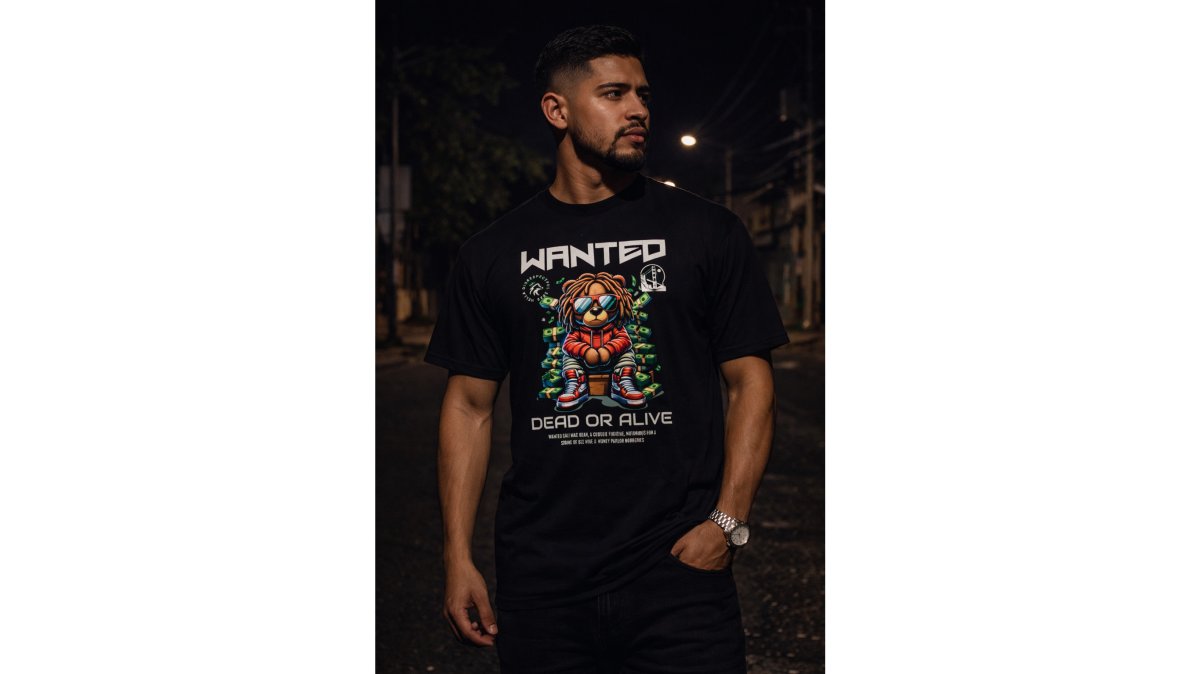
The Fog Layer: Function Meets Silhouette
The fog layer is the mid-tier of a Bay Area outfit: a hoodie, flannel, or light jacket worn open over a base layer so it reads as part of the fit, not an afterthought.
A common mistake is buying outerwear that's too heavy. A mid-weight hoodie over a heavyweight tee handles more days here than a parka ever will, and creates the recognizable silhouette: broad shoulders, relaxed body, hem at the hip.
Essential Wardrobe Staples for the Bay Area Microclimate
Wardrobe staples here come down to three categories: heavyweight tees, mid-weight hoodies, and a versatile outer layer. Get those right and everything else is accessorizing.
According to the National Weather Service's climate data for the San Francisco Bay Area, coastal fog and inland heat can differ by more than 20 degrees on the same afternoon. That gap is the single biggest factor in how locals dress. Build around it and you stop guessing every morning.
Heavyweight Tees and Hoodies
Heavyweight tees and hoodies are the foundation of any Bay Area streetwear wardrobe. Look for ring-spun cotton with a structured fit that holds its shape after repeated washing.
The Mac Bear Tee from Hella Disrespectful Clothing is a good reference point: a premium heavyweight edition built with ring-spun cotton, durable and soft, designed to layer or wear on its own. For a regional statement, the Bay Raised, Never Bay-Sic Tee carries bold chrome lettering, the skyline, bridges, and water reflections on the back. Both sit at $25.00.

What most guides miss is garment quality: a thin tee collapses under a hoodie and ruins the silhouette. Weight matters more than print.
Outerwear and Layering Pieces
Outerwear here should be light, packable, and neutral enough to sit under or over a graphic tee without fighting it: coach jackets, overshirts, unlined work jackets.
Layer in this order:
- Heavyweight tee as the base
- Mid-weight hoodie or flannel as the fog layer
- Light outer shell for wind and evening damp
Keep the outer layer one solid color. Let the tee carry the graphic.
How to Identify Authentic Streetwear
Authentic streetwear is defined by construction quality, honest sourcing, and design that comes from a real place rather than a trend cycle. Spot the difference by checking a few physical details.
Here's a checklist to run through before buying anything:
- Fabric weight: Can you feel the density? A heavyweight garment holds its shape on the hanger.
- Stitching: Look at the neckline and shoulder seams. Clean, tight stitching resists stretching.
- Print quality: A good print sits in the fabric, not on top of it. It shouldn't crack after a few washes.
- Design origin: Does the graphic reference something real, or is it a generic slogan?
- Fit consistency: Does the brand publish actual measurements, not just S/M/L?
The neckline test matters more than people think: a deformed collar is the fastest way a custom tee starts looking cheap. Brands that control their own printing and quality checks can help avoid that.
| What to Check | Red Flag | What Good Looks Like |
|---|---|---|
| Fabric weight | Thin, see-through | Dense, structured hand-feel |
| Neckline | Stretched, wavy | Ribbed, holds shape |
| Cracks, peels | Flexible, bonded to fabric | |
| Design | Generic slogan | Regional or cultural reference |
| Fit | Vague sizing | Published measurements |
Streetwear Styling Tips for Everyday Wear
Styling advice only works here if it accounts for where you're going. A fit that reads correct in the Mission can look overdressed in Sunnyvale and underbuilt in the Outer Sunset. Dress for the specific block, fog line, and crowd.
Start with proportion, then adjust for neighborhood: one loud piece, everything else quiet. What changes is fabric weight, silhouette width, and how much regional reference you let show.
Styling by Neighborhood
The Mission. Warmer, drier, more sidewalk time. A heavyweight graphic tee worn alone earns its keep here, paired with straight-leg denim or a relaxed chino and clean low-tops. Keep the outer layer light, a coach jacket or overshirt you can tie around your waist by 2 p.m.
Oakland. Broader silhouettes, more vintage and workwear influence, more willingness to mix prints: baggy carpenter denim, a boxy hoodie, a broken-in work jacket. Louder graphics and heavier layering work here, and thrifted or reworked pieces carry more weight than anything new off a rack.
The Outer Sunset and Richmond. Fog-dominant, wind-exposed, colder than the rest of the city. Here the fog layer stops being optional: a mid-weight hoodie under a light shell, a beanie, and denim that takes damp air without sagging. Function reads as style because everyone can see you're dressed for the actual weather.
Silicon Valley and the Peninsula. Tech-casual dominates, so the streetwear signal has to be quieter: a heavyweight plain tee, clean overshirt, straight-leg denim, minimal sneakers. One subtle regional graphic, a small chest print rather than a full back panel, does more than a loud piece. Overdressing the graphic is the most common transplant mistake.
Berkeley and the East Bay flats. Academic-adjacent, vintage-heavy, more experimental with color. Flannels, corduroy, and layered knits sit comfortably next to graphic tees, the easiest place to try a bolder silhouette without it reading as a costume.
Denim Heritage and the Local Silhouette
The region's denim history still shapes what people wear: workwear-weight denim set the template for the relaxed, structured leg that defines the local silhouette. That heritage shows up in three practical choices:
- Weight over wash. A 13-15 oz rigid or raw denim holds a straight leg and resists the sag that lighter denim develops after a few wears (Fabrication and characterization of stretchable denim fabric using core spun yarn). It also handles damp air better.
- Straight or slightly tapered, not skinny. A relaxed top needs a leg with room, or the whole fit reads top-heavy.
- Break it in, don't baby it. Fades that come from actual wear are the point. A pre-distressed pair misses what the local look is signaling.
Pair denim with the layering order from earlier: heavyweight tee, mid-weight hoodie or flannel, light outer shell. Keep the outer layer one solid color and let the tee or denim carry the graphic.
Five Rules That Travel Across the Region
- Anchor with a graphic tee. Let the shirt be the statement and keep pants and shoes neutral.
- Match your silhouette, not your colors. Relaxed top pairs with a straight or slightly tapered leg.
- Use one accent. A single bold color in the graphic is enough.
- Layer for the day, not the photo. If you'll be outside past 6 p.m., bring the fog layer, the temperature drop is real and it happens fast.
- Keep footwear utilitarian. Clean low-tops or work boots beat anything flashy, and they survive wet sidewalks.
The Hogan High "Vallejo Originals" Tee is a good example of styling with regional reference: an old-school athletic feel that pairs with denim and a plain jacket without needing anything else.

Custom DTF Printing for Apparel That Stands Out
Most guides tell you what to wear and stop there, skipping the part that determines whether a piece survives a Bay Area winter: fabric. This section covers materials that hold up to fog, wind, and a 20-degree afternoon swing, and the printing method that keeps a graphic intact.
Microclimate Fabric Guide
The temperature gap between coast and inland valleys is the biggest factor in how a garment performs: a fabric that feels great in the Mission at noon can be useless in the Outer Sunset by 7 p.m. Here's how the common options behave:
Cotton, heavyweight (6 oz and up). The default base layer. Ring-spun heavyweight cotton holds structure, breathes when it warms up, and doesn't cling when damp. It isn't wind- or water-resistant, that's what the layer above is for. The correct fabric for a year-round graphic tee.
Cotton-poly blends. Cheaper, lighter, faster-drying, more prone to pilling. They take a print well and hold color, but collapse under a hoodie and lose the structured silhouette that makes layering read as intentional. Use them for warm-weather pieces, not the base of a three-layer fit.
Fleece and French terry. The fog layer. French terry is lighter and less bulky; brushed fleece is warmer and heavier. Both handle damp chill better than plain cotton because the loft traps air. Look for mid-weight (roughly 8-10 oz) terry, heavy enough to block wind, light enough to wear indoors.
Wool and wool blends. The most underrated fabric for this climate. Wool regulates temperature, stays warm when damp, and resists odor across wears. A merino or wool-blend base layer under a hoodie beats any cotton equivalent on a cold, foggy morning. The trade-off is cost and care, most wool blends want cold washing and flat drying.
Technical shells (waterproof-breathable membranes). For wind and evening damp, a light shell with a waterproof-breathable membrane is the practical answer: it blocks wind, sheds fog and light rain, and packs down small. Not streetwear traditionally, but over a graphic tee and hoodie it reads as part of the fit rather than hiking gear, provided the color is solid and the cut clean.
Denim, mid-to-heavyweight. 13-15 oz denim handles damp air without sagging and holds a straight leg through a full day of walking. Lighter denim and stretch-heavy blends lose shape faster here.
How Printing Method Interacts With Fabric
Fabric choice and print method aren't independent: a great graphic on the wrong fabric fails, and a great fabric with a bad print fails too.
Custom DTF printing transfers a printed film onto fabric using heat and pressure, producing full-color designs with fine detail on cotton and cotton blends. It handles gradients, fine linework, and photographic elements.
Where it works best:
- Heavyweight cotton and cotton-rich blends. The textured surface gives the film something to bond to, and the print flexes with the fabric instead of cracking.
- French terry and fleece. Works well on flat panels; avoid printing directly over seams or heavy loft.
- Cotton-poly blends. Acceptable, but the lower the cotton content, the more the print sits on the surface rather than in it.
Where it struggles:
- High-stretch fabrics. Elastane-heavy knits stretch more than the film can, which leads to edge cracking.
- Heavily textured or brushed surfaces. The film can't bond evenly, so edges lift.
- Waterproof and coated shells. DTF is not the right method for a technical outer layer, the coating interferes with adhesion and the heat press can damage the membrane.
Durability comes down to cure temperature and film quality, not the design: a rushed transfer can crack, a properly cured one is designed not to. That's why the wash test matters more than how the print looks fresh off the press.
Hella Disrespectful Clothing offers custom DTF printing for personal designs, alongside its own collections, including the Hafa Culture series. If you're coming from a print-on-demand service that fell apart after a few washes, the difference is usually cure temperature and film quality, not the design. Bulk orders get the same quality control as single pieces.
Sustainable and Ethical Streetwear in the Bay
Sustainable streetwear here means buying fewer, heavier pieces that survive years of wear instead of fast-fashion drops that pill after a month.
The practical version of sustainability here isn't a certification badge, it's garment quality. A heavyweight tee worn 200 times has a far lower footprint than five thin ones retired early, and independent labels printing in small batches avoid the overproduction that drives most fashion waste.
For shoppers, that translates to three habits:
- Buy for weight and construction, not for the season's graphic
- Support independent brands over mass-market drops
- Repair or restyle before replacing
The Federal Trade Commission's Green Guides set the standard for how environmental claims can be marketed, which is worth knowing when a brand leans hard on "eco" language without specifics.
Frequently Asked Questions
What defines the streetwear aesthetic in the Bay Area?
Bay Area streetwear blends utilitarian function with cultural pride. You will see heavyweight tees, layered outerwear, and raw denim that handles fog and temperature shifts. Local graphics often reference bridges, neighborhoods, and regional slang. The look favors clean silhouettes over loud logos, with fit and fabric quality mattering more than branding. It is less about hype and more about wearing something that feels rooted in the region.
How do you identify authentic streetwear brands?
Start with garment quality. Authentic brands use heavyweight cotton, reinforced stitching, and consistent fit. Check the tag for fabric weight and care instructions. Local brands like Hella Disrespectful Clothing use DTF printing and ring-spun cotton for durability.
What are the essential pieces for a Bay Area streetwear wardrobe?
You need three core items: a heavyweight graphic tee, a mid-weight hoodie or crewneck, and a water-resistant outer layer. Add raw denim or utility pants and a cap. These pieces handle the microclimate from morning fog to afternoon sun. A $25 heavyweight tee from a local label works as a base layer or a standalone piece. Build around neutral colors and let one bold graphic carry the outfit.
How has local culture influenced modern streetwear trends?
Bay Area culture shaped streetwear through music, skateboarding, and regional pride. The hyphy movement and local sports teams drove graphic tees with bold lettering. Today, independent labels reference neighborhood history and heritage. This local influence shows up in chrome lettering, skyline graphics, and slang-driven designs. The result is a style that feels specific to the region rather than copied from national trends.
The Bay Area's weather doesn't forgive a bad wardrobe, and its culture doesn't forgive a fake one. Building a fit that handles both takes heavyweight basics, honest layering, and designs that come from somewhere real. That's the whole premise behind Hella Disrespectful Clothing: unapologetic apparel, premium heavyweight options, and custom DTF printing for people who'd rather say it themselves. Shop the drops and build a rotation that works from the fog line to the inland heat.