

Best Streetwear for Bay Area Locals: 2026 Guide
Table of Contents
- Why Bay Area Streetwear Hits Different
- Bay Area Clothing Brands That Actually Rep the Region
- How to Identify Authentic Streetwear (and Avoid the Fakes)
- Custom DTF Printing Services for Your Own Drops
- Price-to-Quality Breakdown: What You Get at Each Tier
- Styling for Bay Area Weather: Layering and Microclimates
- Emerging Independent Designers to Watch in 2026
- Community Events and Pop-Up Shops to Know
- Frequently Asked Questions
Last Updated: September 10, 2026
Why Bay Area Streetwear Hits Different
The best streetwear for Bay Area locals isn't just apparel, it's a statement of regional identity. This guide from Hella Disrespectful Clothing breaks down what makes it distinct, from fog-ready layering to unapologetic graphic language.

Bay Area streetwear carries a specific weight. Tech money, deep-rooted local pride, and a climate that shifts from foggy mornings to warm afternoons mean a graphic tee alone won't cut it. You need pieces that layer, hold up, and say something about where you're from without over-explaining it.
That's the core tension: bold enough to stand out, authentic enough to feel earned. Most mainstream brands print a generic city name and call it regional pride. Locals spot the difference instantly.
Below, we'll show you how to build a rotation that works for the microclimates, the culture, and the price points that make sense.
Bay Area Clothing Brands That Actually Rep the Region
Authentic Bay Area clothing brands build designs around specific local references, not generic cityscapes. The difference shows in details only locals recognize: neighborhood callouts, school histories, cultural touchstones.
Hella Disrespectful Clothing is a clear example. Its “The Bay Said It First” Hella Disrespectful Tee at $25.00 leads with a bold red HELLA front and a muted DISRESPECTFUL layer underneath, loud without trying too hard, exactly the balance locals want.
Vallejo Originals: Hometown Pride You Can Wear
The Vallejo Originals series honors specific school histories. The Hogan High “Vallejo Originals” Tee at $25.00 references the Spartans and old athletic rivalries; the Vallejo High “Vallejo Originals” Tee at $25.00 does the same for the Apache identity.


These aren't generic hometown shirts. They're for alumni, families, and community members who lived the history, the specificity that separates real local apparel from tourist merchandise.
How to Identify Authentic Streetwear (and Avoid the Fakes)
Authentic streetwear is defined by construction quality, design originality, and cultural specificity, not a logo. Three checks separate real pieces from mass-produced imitations.
First, check fabric weight: heavyweight cotton holds its shape, drapes better, and survives repeated washing. Second, examine design language, generic graphics that could belong to any city are a red flag. Third, check construction: side-seamed panels, ribbed collars, and clean edge stitching signal longevity.
Check the Fabric Weight and Construction
Fabric weight is measured in ounces per square yard, and the difference between a 4 oz and 6.5 oz tee is immediately noticeable (textileschool.com). The WANTED: MAC BEAR TEE, PREMIUM HEAVYWEIGHT EDITION at $25.00 uses 100% combed ring-spun cotton at 6.5 oz with side-seamed construction and a ribbed collar, the spec that prevents the deformed neckline cheap custom orders run into.
The HIP HIPPO TEE, PREMIUM HEAVYWEIGHT EDITION at $25.00 follows the same build standard: structured fit, clean look, loud wear.
Look for Local Design Language, Not Generic Graphics
Design language is the second filter. A shirt that says "Bay Area" in a standard font is a souvenir; one referencing a specific school rivalry or piece of local slang is a statement.
Most guides get this wrong, listing brands by popularity instead of how well designs connect to local culture. Popularity is easy to fake. Specificity isn't.
Custom DTF Printing Services for Your Own Drops
Custom DTF printing services let small brands and individuals produce their own designs without minimum order requirements. DTF, or Direct to Film, transfers a printed design onto a film sheet, then heat-presses it onto fabric, producing a durable print that holds up across cotton, blends, and synthetics.
For small business owners, this matters: screen printing needs bulk orders to be cost-effective, while DTF lets you run one-off pieces or small batches without setup costs.
Quality is the question people ask most. Cheap print-on-demand usually fails when a print cracks or peels after a few washes, which comes down to film quality and heat-press calibration. A properly pressed DTF transfer bonds into the fabric rather than sitting on top of it.
Price-to-Quality Breakdown: What You Get at Each Tier
Price tiers don't map cleanly to quality, but they correlate with construction specs. Here's how they break down.
| Tier | Typical Price | Fabric Weight | Construction | Best For |
|---|---|---|---|---|
| Budget | Under $20 | 4-5 oz | Tubular, basic collar | Disposable basics |
| Mid-range | $20-$35 | 6-6.5 oz | Side-seamed, ribbed collar | Everyday rotation |
| Premium | $35-$60 | 6.5-8 oz | Side-seamed, reinforced | Statement pieces |
| Luxury | $60+ | Varies | Cut-and-sew | Collector items |
The mid-range tier is where most locals should shop. At $25.00, Hella Disrespectful tees sit at the top of that tier with heavyweight 6.5 oz fabric and side-seamed construction, premium specs without the premium markup.
The Hella Disrespectful Snapback at $25.00 and the Live Unapologetic Snapback at $30.00 follow the same logic: structured fit, clean finish, a design that carries the message without explanation.
To test the full range at once, the “Disrespect the Norm - Mystery Box” at $100.00 packs 4 to 6 exclusive items with a stated retail value over $150, a fast way to build a rotation, though the no-refund, no-preview terms mean you must be comfortable with the gamble.
Styling for Bay Area Weather: Layering and Microclimates
Layering is non-negotiable in the Bay Area because temperature swings dramatically between neighborhoods and times of day: a foggy, cold morning can turn warm and clear by afternoon, then cool again after sunset.
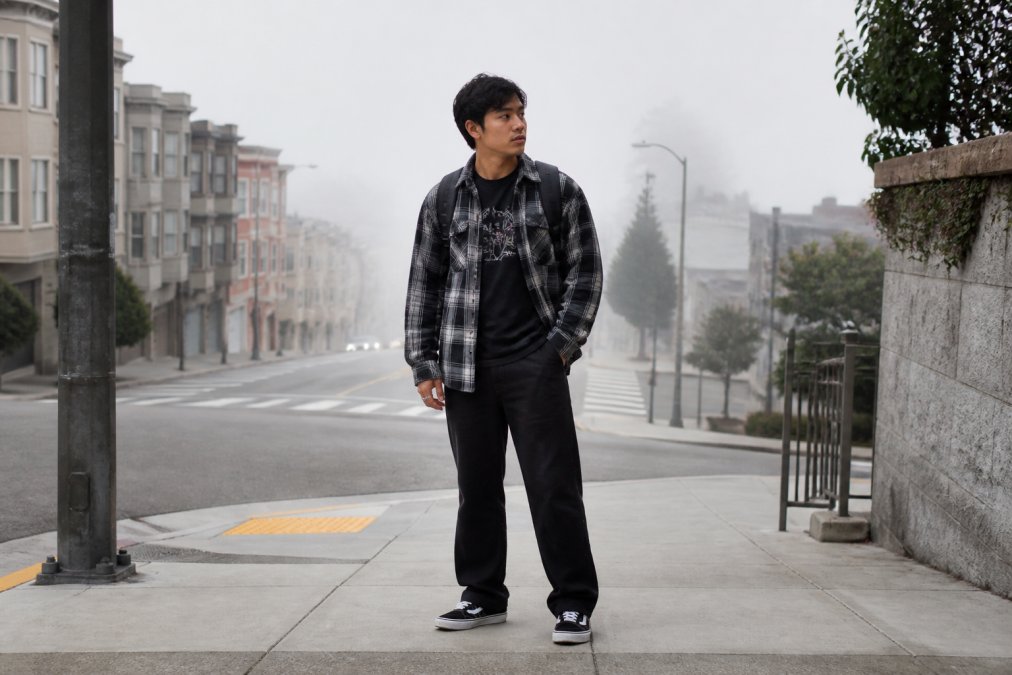
The formula: a heavyweight tee as base layer, a removable mid-layer, and a light outer shell for wind. A 6.5 oz tee works as the base because it holds its shape under a flannel or jacket without bunching.
For footwear, keep it simple: clean sneakers that work with cuffed denim and shorts. Since you'll adjust layers all day, anything requiring a full outfit change is a non-starter.
Emerging Independent Designers to Watch in 2026
Independent designers are where the most interesting work is happening, because they aren't constrained by appealing to a national market. The designs that resonate locally come from people who actually live in the neighborhoods they reference, a gap most guides skip by covering only established retail.
What Separates a Real Emerging Designer From a One-Drop Wonder
Four signals matter when you're evaluating a newer brand:
- A consistent point of view across the collection. A designer with something to say will carry the same visual language, references, and tone through every drop. A one-drop wonder has one good graphic and nothing behind it.
- A specific cultural or geographic reference. The best local work points at something real, a neighborhood, a school, a subculture, a piece of slang, rather than a generic city name in a standard font.
- Construction quality that matches the design ambition. A bold graphic on a 4 oz tubular tee is a mismatch. Look for heavyweight cotton, side-seamed construction, and ribbed collars as baseline signals.
- A visible presence in the local scene. Designers who show up at pop-ups, markets, and art events are usually the ones building something durable. If a brand only exists as an Instagram page with no in-person footprint, treat it as unproven.
Where to Actually Find Them
Emerging designers rarely have retail distribution, so discovery happens in specific places. Art walks and gallery openings double as informal lookbooks; record, skate, and independent coffee shops often stock a small consignment rack; flea markets and First Friday-style festivals are where newer makers test first runs. Brand-to-brand collaboration drops with a local artist or musician are one of the fastest ways a new designer gets on the radar.
The Hafa Culture series from Hella Disrespectful Clothing is a good example: it draws from Chamorro heritage rather than treating cultural identity as decoration. That's the standard for other emerging labels, does the reference come from inside the culture, or is it borrowed for aesthetics?
How to Support Emerging Designers Without Wasting Money
Start small. Buy one piece from a designer you're curious about, wear it through a full wash cycle, and see how it holds up. If the print cracks, collar twists, or fit collapses, you've learned something cheap. If it holds, you've found a brand worth following.
Following a handful of emerging designers closely beats chasing every new drop: you get pieces nobody else has, support the local scene directly, and build a rotation that reflects where you're from.
Community Events and Pop-Up Shops to Know
Pop-up shops and community events are where local streetwear actually circulates: how independent designers reach customers without permanent retail overhead, and how buyers find pieces before they sell out. Most guides list stores and stop there; this section treats the event calendar as part of the shopping process.
The pattern that works: follow brands you like on social media, then show up to the pop-ups they announce. Limited runs sell through fast, and in person you can check fabric weight and fit before buying.
Recurring Markets and Fairs Worth Building a Calendar Around
A few recurring events anchor the local calendar. The Alameda Point Antiques Faire runs the first Sunday of most months and is one of the region's largest outdoor markets, reliable for vintage tees, workwear, and one-off pieces (alamedapointantiquesfaire.com). The Treasure Island Flea has historically run monthly with makers, vintage sellers, and food vendors, a good place to catch small apparel brands testing new drops. The Oakland First Fridays street festival on Telegraph Avenue brings out local vendors and artists, skewing toward exactly the graphic-heavy, culture-referencing apparel this guide is about.
Beyond the big recurring events, neighborhood happenings matter more than people expect. Art walks, gallery openings, and record shop pop-ups frequently double as apparel drops. A brand that can't afford a booth at a large fair will often set up inside a friend's shop for a single weekend, those drops sell out fastest and never get a second run.
How to Work the Calendar Like a Local
Treat the event calendar as a three-step process. First, follow the brands and shops you care about directly, most announce pop-ups 3 to 7 days out, and email lists often get the heads-up before social media. Second, arrive early: limited runs of 20 to 50 pieces are common, and the best sizes go in the first hour. Third, bring cash as a backup, since small makers at flea markets sometimes don't take cards.
Why This Matters for Authenticity
Buying at a pop-up or market isn't just access, it's a filter. Mass-produced tourist apparel shows up in souvenir shops and airport kiosks; real local streetwear shows up at First Fridays, gallery pop-ups, and the flea. If a brand never appears in person anywhere in the local scene, that's worth noticing. The in-person circuit is where you meet the person behind the design, ask where the blanks come from, and check fabric weight in your hands before committing.
Treat the event calendar as part of the shopping process. A boutique visit lets you feel the construction; a pop-up lets you meet the designer. Both beat scrolling a product page.
Frequently Asked Questions
What are the best streetwear shops in San Francisco?
San Francisco's best streetwear shopping happens in neighborhoods like Haight-Ashbury, the Mission, and Lower Haight. Look for independent boutiques that carry local Bay Area clothing brands alongside curated sneaker and apparel selections. These shops often host pop-up events and limited drops you won't find at chain retailers. For authentic Bay Area streetwear, prioritize stores that stock regional designers and carry heavyweight graphic tees rather than mass-produced basics.
What streetwear brands are native to the Bay Area?
Several independent labels call the Bay Area home, including Hella Disrespectful Clothing, which builds its identity around unapologetic design and regional pride. Their collections include the Hafa Culture series and Vallejo Originals tees that reference local history. Native brands tend to use local screen printing and heavyweight fabrics, and they design with the region's culture in mind rather than chasing national trends. Supporting these labels keeps money in the local fashion community.
How do I identify authentic streetwear versus fast-fashion copies?
Check the fabric weight first. Authentic streetwear typically uses 6.5 oz or heavier cotton, while fast-fashion copies use thin, see-through material. Look at stitching quality: side-seamed construction and ribbed collars hold up better after washing. Authentic pieces also have design language rooted in a specific place or culture, not generic graphics. If the brand can't tell you where and how the garment was made, that's a red flag.
Can I get custom DTF printing for my own apparel designs?
Yes. Custom DTF printing services let you turn your own artwork into wearable pieces. Hella Disrespectful Clothing offers DTF printing that handles bulk orders without sacrificing quality. DTF transfers bond well to cotton and cotton-blend fabrics, and the print stays flexible rather than cracking like some older methods. If you're a small business owner or creative, this is a practical way to produce branded merch without ordering thousands of units upfront.
What should I look for in a heavyweight streetwear tee?
Start with the fabric spec: 100% combed ring-spun cotton at 6.5 oz is a solid benchmark for a premium heavyweight tee. Check for side-seamed construction, which prevents twisting after washing, and a ribbed collar that keeps its shape. The fit should be structured but not restrictive. Hella Disrespectful Clothing's heavyweight tees, like the Mac Bear and Hip Hippo designs, hit these marks at $25, which is competitive for the quality tier.