

How to Find Unique Streetwear Designers: 2026 Guide
Table of Contents
- Start With a Plan: A Step-by-Step Discovery Process
- How to Tell If Independent Streetwear Designers Are the Real Deal
- Where Unique Streetwear Brands Actually Live Online
- The Best Websites for Streetwear Discovery in 2026
- Use Social Platforms and Communities to Surface New Labels
- Shop Local: Finding Designers by City and at In-Person Events
- Quality Check: Fit, Materials, and Construction Before You Buy
- Conclusion: Build a Rotation, Not a One-Time Haul
- Frequently Asked Questions
Last Updated: October 5, 2026
Start With a Plan: A Step-by-Step Discovery Process
Finding how to find unique streetwear designers starts with a plan, not a scroll. Random browsing leads to the same five brands everyone else wears. A simple system fixes that.
The process below works whether you want one grail piece or a full rotation.
Step 1: Define Your Style Lane
Pick one lane before you shop. Streetwear covers a lot of ground: skatewear, menswear, luxury streetwear, graphic apparel, and underground fashion all pull in different directions.
Ask yourself three questions:
- What silhouettes do you actually wear? Baggy, boxy, or fitted?
- What do you want your clothes to say?
- What is your budget per piece?
Write the answers down. This shortlist keeps you from buying things that never leave the closet.
Step 2: Build a Discovery Shortlist
Spend one hour a week on discovery. That is it. Follow ten independent designers, join two streetwear community forums, and save every label that catches your eye.
Then sort them. Keep the ones that match your lane. Cut the rest.
How to Tell If Independent Streetwear Designers Are the Real Deal
Plenty of "small brands" are resellers with a logo. Real independent streetwear designers make their own pieces and can prove it. Here is how to check.
Check the Paper Trail
Look for a real designer profile. Who runs the brand? Where are they based? What is their creative direction?
A genuine label usually shows:
- Behind-the-scenes posts of design work or production
- A clear point of view in every drop
- Consistent sizing, materials, and construction notes
If none of that exists, slow down.
Red Flags That Signal a Dropshipper
Watch for these warning signs:
- Every product uses the same stock photo style
- No size chart, or a generic one copied from a supplier
- Prices that swing wildly between drops
Where Unique Streetwear Brands Actually Live Online
Unique streetwear brands rarely live on the biggest marketplaces. They live in smaller, curated corners of the internet.
Start with these spaces:
- Niche online forums and Discord servers for streetwear culture
- Curated streetwear marketplaces that vet their sellers
- Brand directories that focus on emerging labels
The pattern is simple. Curated selection beats endless scroll.
The Best Websites for Streetwear Discovery in 2026
The best websites for streetwear discovery in 2026 are curated marketplaces, brand directories, and community-run roundups, not big-box retail sites. These platforms do the filtering for you. The difference between a good list and a bad one is whether the site names the designer, shows the production story, and lets you filter by something other than price.
Here is how the main platform types actually work, and what each one is good for.
Curated Marketplaces
Curated marketplaces vet sellers before they list. That vetting is the whole value, you are paying a small premium in exchange for not having to run your own background check on every label.
- Grailed, resale-focused, but its designer and emerging-label filters surface small-run pieces that sold out at retail. Useful for finding a label you missed the first time.
- SSENSE and END., carry established names, but their "new arrivals" and "emerging designers" tabs are where smaller labels get shelf space alongside the big ones.
- StockX and GOAT, authentication-first, best for verifying a piece is real before you commit to a resale price.
Watch out for: marketplace fees that quietly raise the sticker price 10-20% above what the designer charges on their own site.
Brand Directories and Roundups
Directories do not sell anything. They catalog. That makes them the fastest way to browse by style, region, or subculture without a cart in the way.
- Hypebeast and Highsnobiety, both run recurring "emerging designers to watch" features. The value is the archive; search their back catalog for a lane you care about.
- Complex, its style vertical covers up-and-coming labels alongside the culture coverage that gives them context.
- Reddit's r/streetwear and r/malefashionadvice, community-run, which means the recommendations are unfiltered. Search before you post; most "who makes X" questions already have threads.
Watch out for: outdated listings. A directory that has not been updated in a year will send you to dead storefronts.
“Disrespect the Norm – Mystery Box” →
Community Roundups and Newsletters
Newsletters are the most underrated discovery channel. Someone else already did the scrolling, and you get the shortlist in your inbox.
- Substack fashion newsletters, search the platform for "emerging streetwear" or "independent label" and subscribe to two or three. Most publish weekly.
- Discord servers, many streetwear communities run a "drops" channel where members post new labels the day they launch.
Social Hashtags as a Search Tool
Instagram and TikTok hashtags work as a search engine if you use them like one. Search a lane-specific tag, not the generic #streetwear, and sort by recent, not top.
Watch out for: bots and resellers. If an account posts the same product photo across five different brand names, it is a dropshipper.
| Platform Type | Best For | Watch Out For |
|---|---|---|
| Curated marketplace | Vetted emerging labels | Fees that raise prices |
| Brand directory | Browsing by style or region | Outdated listings |
| Community roundup | Real recommendations | Hype over quality |
| Social hashtags | Fresh drops | Bots and resellers |
A good directory saves hours. A great one teaches you something about the culture along the way.
Use Social Platforms and Communities to Surface New Labels
Social media is where most fashion discovery happens now. The trick is using it like a search tool, not a slot machine.
Try these tactics:
- Follow three accounts that post only emerging labels
- Search niche hashtags tied to your lane, like skatewear or graphic apparel
- Join streetwear community groups and ask who they are wearing
Community recommendations beat ads every time. People share what they actually wear.
Shop Local: Finding Designers by City and at In-Person Events
Local events put clothes in your hands before you buy. Pop-ups, flea markets, and skate events are full of up-and-coming designers you will never find online.
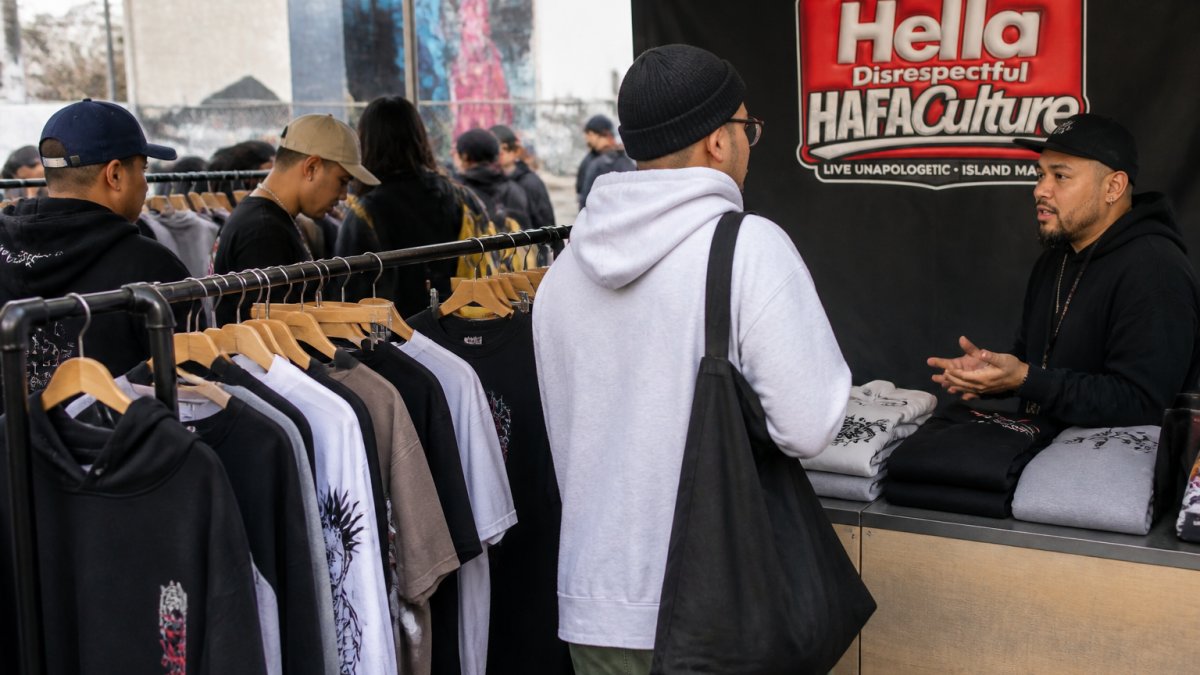
Where Independent Designers Actually Set Up
- Pop-up markets and vendor fairs, weekend markets in most mid-size and large cities reserve a section for apparel vendors. The designers who show up are usually pre-retail, which is exactly the stage you want.
- Skate parks and community events, local skate shops often host brand days where a small label sets up a table. Check the shop's Instagram, not the park's.
- Art walks and creative markets, first-Friday art walks and monthly creative markets mix apparel in with prints and ceramics. Look for the vendor list posted the week before.
How to Find Events Near You
This is the part most guides skip. The mechanism is straightforward:
- Search event platforms by category, not by name. Eventbrite and similar platforms let you filter by "fashion," "market," or "pop-up" within a set radius. Set the radius to 25 miles and check monthly.
- Follow the venues, not the brands. Local skate shops, galleries, and music venues post their event calendars. Following ten venues surfaces more events than following ten brands.
- Check the local subreddit. Most metro areas have a subreddit with a weekly events thread. Search it for "market" or "pop-up."
- Ask a vendor. Once you find one good market, ask the vendors which other markets they do. The circuit is small and they know it better than any listing site.
What to Do When You Are There
You get to check the fabric, try the fit, and talk to the maker. That beats a product photo every time. Three questions worth asking at the table:
- "Do you print these yourself, or do you work with a printer?", either answer is fine, but the answer tells you the production scale.
- "How many of this piece did you run?", a real small-batch number (25, 50, 100) is a good sign.
- "Where can I find you online?", if there is no site or Instagram, you are looking at a hobby, not a label. That is fine, but price accordingly.
The Trade-Off
Local discovery is slower than scrolling a marketplace. You will go to events and find nothing in your lane. That is the cost of the channel, and it is also why the designers you do find there are not already on everyone else's feed.
Quality Check: Fit, Materials, and Construction Before You Buy
Quality separates a keeper from a regret. Check three things before you spend: fit, materials, and construction.
Ask these questions:
- Does the size chart match real measurements, or is it vague?
- Is the fabric heavyweight or thin and see-through?
- Are the seams straight and the neckline stable?
A common mistake is trusting the mockup. Mockups are for reference only. Actual print size and placement can vary, so read the product details closely.
Conclusion: Build a Rotation, Not a One-Time Haul
The real skill in how to find unique streetwear designers is patience. One great piece beats ten impulse buys.
That is exactly how we approach things at Hella Disrespectful Clothing. And our Disrespect the Norm Mystery Box drops 4 to 6 exclusive items for $100, with a retail value over $150.

If you want custom apparel for your own brand, our DTF printing service handles personal designs.
Frequently Asked Questions
What are some unique streetwear brands worth checking out in 2026?
Look for labels with a clear point of view rather than a trending aesthetic. Hella Disrespectful Clothing is one example: it builds collections around specific identities, like the Hafa Culture Puff Tee for Chamorro heritage and the Bay Raised tee for regional pride, instead of chasing generic graphic trends. The tell is whether a brand's designs reference something specific, a place, a culture, or a subculture, rather than copying whatever print is selling on TikTok this month.
Where can I discover independent streetwear designers online?
Start with curated marketplaces and brand directories, then cross-check each label's own site. Look for a designer profile that lists a real name, location, and production process. Social platforms help too: search hashtags tied to skatewear, menswear, and graphic apparel, then follow designers whose work you keep coming back to. The best websites for streetwear discovery combine a curated selection with enough background on each label that you can judge whether it is genuinely independent.
How can I tell whether a streetwear designer is original or just reselling blanks?
Check three things. First, does the label show its design process, sketches, samples, or studio shots? Second, does it sell a consistent design identity across drops, or does every release look like a different brand? Third, does it publish production details, or does it stay vague? A designer with real creative direction will talk about materials, fit, and construction. A reseller usually copies product photos from a supplier and ships from overseas with no design story.
How do I find small streetwear brands on social media without endless scrolling?
Pick two or three platforms and search specific terms instead of browsing feeds: 'independent streetwear', 'underground fashion', or your city plus 'streetwear'. Follow a handful of accounts that post about emerging labels, then check who they tag and repost. Comment sections on limited releases and capsule collection drops are also useful, since buyers often name smaller labels they wear. Save every promising brand to a running list so you can revisit it when you are ready to buy.
Finding clothes that actually say something takes work. Most brands play it safe, and most shoppers end up looking the same. Hella Disrespectful Clothing exists for the opposite reason: bold designs, heavyweight apparel, and a defiant, independent spirit. Shop the Hafa Culture collection for cultural pride, grab a Mystery Box for exclusive pieces, or use our custom DTF printing to put your own designs on quality garments. SHOP THE DROPS and wear something that speaks for itself.