

Unique Streetwear for Individual Expression: 2026 Guide
Table of Contents
- Why Unique Streetwear Matters for Individual Expression
- The Evolution of Streetwear: From Skate Culture to Personal Narrative
- How to Identify Authentic Streetwear vs. Mass-Produced Trends
- Curating a Unique Wardrobe: Fit, Fabric, and Statement Pieces
- Custom DTF Printing for Streetwear: Design Your Own Narrative
- Sustainable Expression and DIY Customization Techniques
- Conclusion: Wear Your Story, Not Just a Label
- Frequently Asked Questions
Last Updated: September 8, 2026
Why Unique Streetwear Matters for Individual Expression
Walk down any busy street and you will see the same logos, the same cuts, and the same colors repeating like a broken record. Unique streetwear for individual expression cuts through that noise. It is the difference between wearing a uniform and wearing a statement.
This guide breaks down how to identify authentic pieces, curate a wardrobe that actually represents you, and use customization to tell a story no one else can copy.
The Evolution of Streetwear: From Skate Culture to Personal Narrative
Streetwear did not start in a boardroom. It started on skateboards and in subcultures that rejected the rules of mainstream fashion. What began as a functional uniform for skaters and surfers grew into a global language of rebellion and self-expression. The evolution of streetwear culture shows how these underground movements gradually influenced high fashion and luxury streetwear without ever losing their anti-establishment core.
Streetwear as a Canvas for Identity and Cultural Heritage
The real power of this fashion movement is its ability to carry meaning. A graphic is not just decoration; it is visual storytelling. For many, clothing becomes a way to honor cultural heritage, whether that means wearing symbols from your ancestors or representing the region you call home.
Subcultures from skate culture to y2k and cyberpunk aesthetics all use apparel as a badge of belonging. Your wardrobe curation becomes a personal narrative that documents where you have been and what you stand for.
How to Identify Authentic Streetwear vs. Mass-Produced Trends
Authenticity is the hardest thing to find in modern fashion. Mass-produced trends copy the look but miss the soul. To identify authentic streetwear, look beyond the surface design and examine what is actually in your hands.
Garment quality is your first filter. A heavyweight tee made from ring-spun cotton feels different from a thin, mass-market shirt. Check the fabric density, the stitching on the seams, and how the neckline holds its shape. Authentic pieces are built to last through repeated wear and washing, not to fall apart after a season. The FTC guidelines on textile labeling require accurate fiber content disclosure, so read the label and know what you are buying.
The design itself matters just as much. Authentic streetwear carries a point of view. It references typography, illustration, or unique motifs that connect to a specific culture or idea. True authenticity comes from independent labels that control their own creative direction, not from companies chasing whatever sold last month.
Curating a Unique Wardrobe: Fit, Fabric, and Statement Pieces
Building a unique wardrobe is not about accumulating more clothes; it is about engineering a system where every piece earns its place. The most distinctive streetwear fits are built on a disciplined understanding of silhouette, material behavior, and the visual tension between basics and bold statements.
The Silhouette First, Not the Logo
Before you look at a graphic, look at the shape. Streetwear's most influential fits, from the boxy '90s skate cut to the elongated drape of modern avant-garde labels, all share one trait: intentional structure.
A practical framework used by stylists is the three-silhouette rule: your wardrobe should contain pieces that fit one of three ways, classic (tailored to the body), relaxed (one size up with clean shoulders), or oversized (two or more sizes up with dropped shoulders). Mixing these categories within a single outfit creates visual interest.
Fabric as the First Filter
Fabric weight is the single most reliable indicator of a garment's quality. In the U.S. market, most mainstream tees weigh between 4.5 and 5.5 ounces, thin enough to wrinkle, lose shape, and cling awkwardly. The streetwear standard for a durable staple is 6.5 ounces or higher.
Beyond weight, consider the fiber composition. A 100% cotton jersey at 7 ounces will feel dense and slightly stiff until broken in. A cotton-poly blend at the same weight will feel softer but may pill over time. Ring-spun cotton offers a smoother hand-feel and better dye absorption, which is why premium graphic tees use it as the default.
For bottoms, the same logic applies. A 12-ounce denim will hold a crease and fade with character; a 10-ounce stretch denim will conform to your body but lose its structure.
The 80/20 Rule of Wardrobe Curation
The most functional unique wardrobes follow an 80/20 split: 80% versatile, high-quality basics and 20% statement pieces that carry your identity. The basics provide the canvas; the statement pieces provide the voice.
The mistake most people make is inverting this ratio. When 80% of your wardrobe is loud, nothing is loud. By keeping the foundation quiet, each statement piece gets the attention it deserves.
The Color Discipline
Color is the fastest way to make a wardrobe feel disjointed. A useful constraint is the three-color palette: choose a base (black, white, or gray), a secondary (olive, navy, or beige), and one accent color that appears only in your statement pieces. When you do buy outside the palette, it should be a deliberate, rare exception.
The Thrift and Resale Layer
A unique wardrobe does not require a luxury budget. Platforms like Grailed, Depop, and eBay host a deep inventory of past-season streetwear at a fraction of retail. The key is knowing what to search for: specific garment names, fabric compositions, and era-specific tags (e.g., a '90s single-stitch tee) rather than generic terms like 'streetwear shirt.'
Custom DTF Printing for Streetwear: Design Your Own Narrative
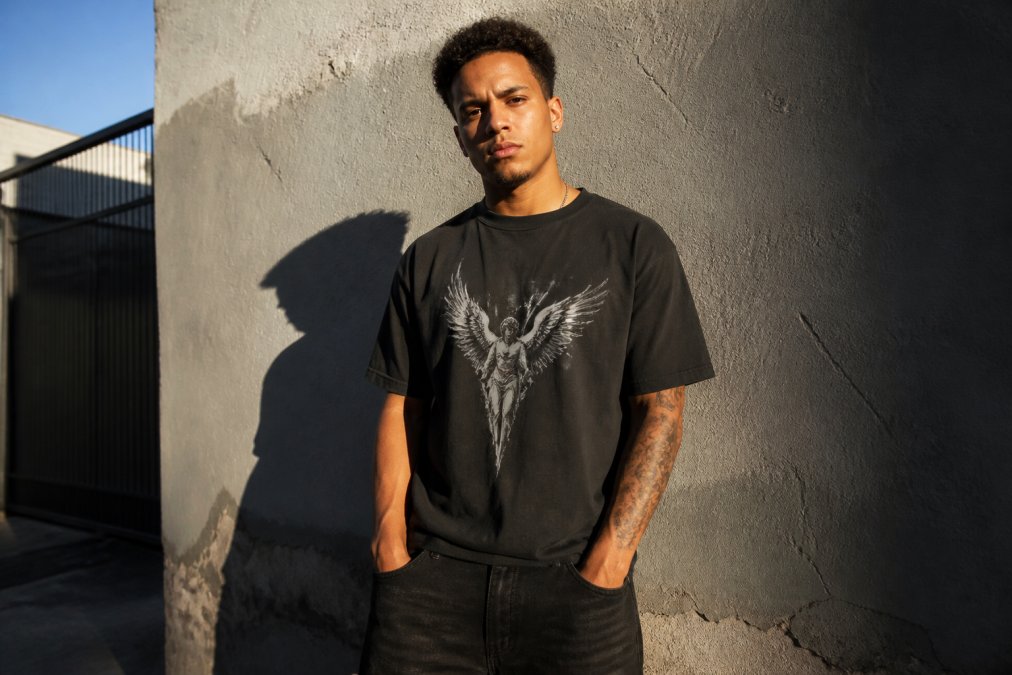
Custom DTF (Direct to Film) printing has become the most accessible route to a one-of-a-kind garment, but the process is more nuanced than uploading a file and pressing a button. Understanding the technical mechanics separates a design that lasts from one that cracks after two washes.
How DTF Actually Works
DTF printing involves printing your artwork onto a special PET film, applying a layer of adhesive powder to the wet ink, and then curing that powder. The resulting transfer is then heat-pressed onto the garment. A proper press should reach 300-320°F for 10-15 seconds with firm, even pressure. If the temperature is too low or the pressure too light, the adhesive does not fully bond to the fabric fibers, leading to premature peeling.
High-quality DTF film releases cleanly from the garment, leaving the ink and adhesive behind. Cheaper films can leave a plastic-like residue or fail to release entirely, ruining the garment.
The Trade-Offs: DTF vs. Screen Printing vs. Vinyl
DTF is not the only option, and it is not always the best one. Here is how it stacks up against the alternatives for individual creators:
- DTF: Best for full-color, highly detailed designs with gradients or photographic elements. It works on cotton, polyester, and blends. The downside is that the print sits slightly on the surface of the fabric, and very heavy designs can feel stiff.
- Screen Printing: The gold standard for durability and color vibrancy on cotton. The ink is pushed through a mesh stencil and bonds deeply with the fabric. However, it is cost-prohibitive for single pieces, setup costs for screens make it viable only for bulk orders of 12 or more.
- Heat Transfer Vinyl (HTV): Best for simple, single-color designs like text or bold shapes. It is cheap and easy to apply at home with a household iron, but it cannot reproduce gradients or fine detail, and it tends to crack and peel faster than DTF.
For a single, unique piece, DTF is the most practical choice. For a run of 20 identical tees, screen printing offers better value per unit.
The DIY Route: At-Home DTF vs. Professional Services
You can purchase pre-printed DTF transfers from online suppliers and press them yourself with a heat press (a quality unit costs $200-$400). The risk is consistency, without a calibrated press, your results will vary.
Alternatively, professional print-on-demand services handle the entire process. The trade-off is cost per unit and less control over the final garment quality. When evaluating a service, ask: What is the fabric weight of the blank garment? Do they use a genuine DTF process or a cheaper vinyl substitute? And what is their policy on print defects after washing?
Designing for the Medium
A design that looks good on a screen may not translate well to a DTF print. High-contrast artwork with bold shapes and limited color palettes (under six colors) prints more cleanly and lasts longer than designs with subtle gradients. Fine text (under 10 points) can blur or fill in during the powder application. Keep your design within a 12x12 inch print area and ensure your artwork is at least 300 DPI resolution.
The Ethical Angle: Print on What You Already Own
DTF transfers can be applied to existing garments, not just new blanks. Instead of buying a new tee, you can press a custom design onto a thrifted heavyweight shirt or a faded favorite that has lost its original print. This approach reduces waste and produces a piece that is genuinely unique, no one else owns that exact combination of garment and design.
For those who want to design their own narrative without the hassle of sourcing a printer, Hella Disrespectful Clothing offers custom DTF printing services. You bring the vision, and the production team handles the technical execution, delivering heavyweight apparel that carries your design.
Sustainable Expression and DIY Customization Techniques
The most sustainable wardrobe is the one you already own. DIY customization techniques let you refresh old garments and create something that reflects your personal narrative without contributing to fast fashion waste.
Bleach techniques create unique patterns on dark fabrics, turning a plain tee into a one-of-a-kind piece. Fabric paint and markers allow for hand-drawn designs that no machine could replicate. Sewing on patches, adding pins, or distressing the fabric gives old clothes a new life. These techniques require minimal investment and produce results that are inherently authentic because they cannot be mass-produced.
Hand-sewn details and custom alterations take DIY a step further. Adjusting the fit of a thrifted piece or adding unique motifs makes the garment truly yours. This approach aligns with a fashion philosophy that values longevity and individual identity over constant consumption.
Conclusion: Wear Your Story, Not Just a Label
Real style has never been about the name on the tag. It is about the narrative you build through fit, fabric, and the designs you choose to wear. The goal is the same: wear something that could only come from you.
Building a wardrobe that reflects your individual identity takes intention, but it does not require a massive budget. Start with quality staples, add statement pieces that carry meaning, and do not be afraid to customize. The psychological benefits of self-expression through clothing are real, and they start the moment you put on something that actually represents you.
At Hella Disrespectful Clothing, we build heavyweight apparel for people who refuse to ask permission. Our drops, from the WANTED: MAC BEAR TEE to the Hella Disrespectful Snapback, are designed to speak for themselves. When you are ready to stop explaining your style and start wearing it, explore the independent streetwear movement and find pieces that fit your story.


Frequently Asked Questions
How do people use fashion to express their personality?
Fashion acts as a visual language. People choose colors, graphics, and silhouettes that reflect their mood, values, and cultural background. For example, wearing a tee with a graphic that resonates with your heritage or a slogan that matches your philosophy is a direct way to broadcast who you are without saying a word. It is about curating a personal narrative through what you put on your body.
How can I use streetwear to express my personality?
Start by identifying what you want to say. Do you value defiance, humor, or cultural pride? Pick statement pieces that reflect that, like a heavyweight tee with a bold graphic. Focus on fit and quality rather than logos. Mixing unique streetwear staples with your existing clothes creates a look that is authentically yours. For deeper personalization, consider custom DTF printing to put your own designs on garments.
What makes a streetwear brand truly unique?
A truly unique streetwear brand has a specific point of view and a cultural foundation that is not mass-produced for everyone. It focuses on original graphic design, garment quality, and a clear philosophy. For example, a brand that prints on heavyweight, ring-spun cotton and draws inspiration from specific cultural heritage, rather than just chasing trends, offers a more authentic product.
How to incorporate custom designs into a streetwear aesthetic?
Custom designs let you skip mainstream trends entirely. You can start with a quality blank, like a premium heavyweight tee, and use custom DTF printing to add your own illustration, slogan, or cultural motif. This creates a one-of-one piece that holds personal meaning. The key is to keep the design bold and the garment quality high, so it looks intentional and lasts, rather than feeling like a cheap DIY project.
Finding apparel that truly represents you is harder than it should be. Most brands sell clothes; we sell the freedom to be unapologetically yourself. From the Hafa Culture series that honors Chamorro heritage to custom DTF printing for your own designs, Hella Disrespectful Clothing delivers heavyweight quality that stands up to your lifestyle. Shop the drops and wear a story that is yours alone.