

Start a Clothing Brand in California: A Step-by-Step Guide
Table of Contents
- Develop Your Design Concept and Brand Identity
- Understand California Seller's Permit Requirements
- Calculate the Cost to Start a Clothing Line
- Register Your Business and Obtain Licenses
- Source Apparel Suppliers and Manage Bulk Orders
- Use DTF Printing Services for Small Businesses
- Create a Clothing Brand Business Plan Template
- Launch Your Brand and Build Customer Engagement
- Frequently Asked Questions
Last Updated: October 2, 2026
Develop Your Design Concept and Brand Identity
To start a clothing brand, you need to begin with a clear vision of what you're building and who you're building it for. Your design concept is the foundation everything else rests on, it's what separates a brand that matters from one that blends into the noise.
At Hella Disrespectful Clothing, we understand that authenticity cuts through. Your designs should reflect a genuine perspective, not a watered-down attempt to appeal to everyone. Define your aesthetic early: Are you targeting streetwear enthusiasts? Cultural communities? Regional pride?
Document your brand identity in writing. What does your brand stand for? What visual language will customers recognize instantly? Create a mood board with color palettes, typography, and design references. This isn't busywork, it's the blueprint that keeps your collection cohesive as you grow.
Consider your collection's narrative. Will you launch with a single drop or a full range? How many SKUs are realistic for your first run? Most emerging brands start with 3-5 core designs and expand from there based on demand. This approach lets you test the market without overcommitting inventory.
Understand California Seller's Permit Requirements
Operating a clothing business in California requires a seller's permit, which is the foundation of legal compliance. This permit, issued by the California Department of Tax and Fee Administration, allows you to collect and remit sales tax on retail transactions.
A seller's permit is mandatory if you're selling tangible goods, including apparel, whether online, in-person, or through wholesale channels.
The permit is free to obtain. Once approved, you're authorized to collect sales tax from customers and remit it monthly or quarterly depending on your sales volume.
Beyond the seller's permit, understand California's resale certificate requirements if you're purchasing inventory wholesale. A resale certificate allows you to buy apparel from suppliers without paying sales tax, since you'll collect tax when you sell to the end customer.
Calculate the Cost to Start a Clothing Line
The financial reality of starting a clothing brand varies dramatically based on your approach. A realistic budget accounts for design, manufacturing, marketing, and operational overhead.
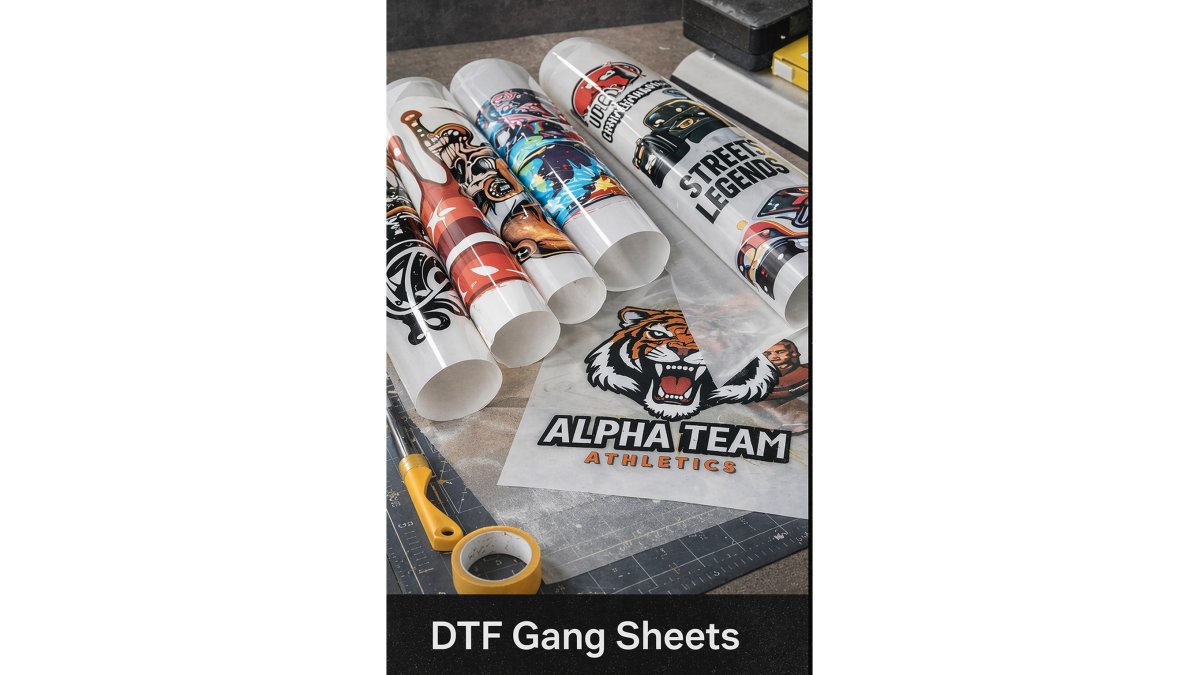
Design and sampling typically cost between several hundred to a few thousand dollars, depending on whether you're working with a designer or handling it yourself. If you're using print-on-demand services like Hella Disrespectful Clothing's DTF printing options, you can start with minimal upfront investment, single prints start at just $2, and gang sheets (multiple designs on one sheet) begin at $14. This approach lets you test designs and validate demand before committing to bulk manufacturing.

Bulk orders for traditional screen-printed or sewn apparel require larger minimums.
Marketing and launch costs deserve serious attention. Budget for social media content creation, initial ad spend, and shipping supplies. Many new brands underestimate this category and run out of cash before gaining traction.
Operational costs include business registration, website hosting, email platforms, and accounting software. These are modest individually but add up. Plan for ongoing expenses before revenue stabilizes.
Register Your Business and Obtain Licenses
Formalizing your business structure is a legal requirement and protects your personal assets. California offers several options: sole proprietorship, partnership, LLC, or corporation.
File your Articles of Organization with the California Secretary of State. Once approved, you'll receive your Certificate of Organization, which you'll need for the seller's permit application and opening a business bank account.
Obtain an Employer Identification Number (EIN) from the IRS, even if you're a sole proprietor. This is free and takes minutes online.
Register your business name to prevent others from using it. If you're planning to expand beyond California, consider federal trademark registration through the U.S. Patent and Trademark Office.
Open a dedicated business bank account using your EIN and business registration documents. This keeps your finances organized and makes tax preparation significantly easier.
Source Apparel Suppliers and Manage Bulk Orders
Finding the right supplier is one of the most critical decisions you'll make. Your supplier directly impacts quality, cost, and your ability to scale.
Domestic suppliers offer faster turnaround but higher per-unit costs. Overseas manufacturers offer lower costs but require longer lead times and larger minimum orders. For a first collection, domestic suppliers often make more sense because they reduce risk and let you move faster.
When evaluating suppliers, request samples before committing to bulk orders. Quality can vary dramatically between manufacturers, and seeing the actual product matters. Check seam quality, fabric weight, colorfastness, and fit consistency. Ask about their quality control process and what happens if items don't meet standards.
Negotiate terms carefully. Most suppliers require a deposit upfront (typically 30-50%) with the balance due before shipment. Understand their lead times, minimum order quantities, and revision policies. Get everything in writing, verbal agreements create problems later.
Manage your bulk orders strategically. Order only what you can realistically sell within 3-6 months. Excess inventory ties up capital and becomes a liability. Track your inventory meticulously and reorder based on actual sales data, not predictions.
Use DTF Printing Services for Small Businesses
Direct-to-Film (DTF) printing offers a effective alternative for brands that want flexibility without massive upfront investment. Unlike traditional screen printing, DTF lets you print small quantities, test designs, and iterate based on customer feedback.
Hella Disrespectful Clothing's DTF services are built for this exact scenario. Single prints start at $2 for pocket-sized designs and go up to $8 for oversized statement pieces. Gang sheets, multiple designs on one sheet, range from $14 to $65 depending on sheet size, letting you maximize efficiency when printing multiple designs at once.

The process is straightforward: upload your high-quality design, select your size, and we handle the printing. The finished transfer is ready to press onto apparel using a standard heat press. No minimums, no setup fees, no long lead times.
Modern DTF prints are durable, vibrant, and hold up through repeated washing when applied correctly. The key is using quality blank apparel, cheap tees will show poor results regardless of print quality.
For brands building a custom apparel line, DTF printing eliminates the traditional barrier to entry. You're not locked into massive minimums or long lead times. You can launch, gather feedback, and scale intelligently.
Create a Clothing Brand Business Plan Template
A business plan forces you to think through the details and provides a roadmap for execution.
Start with an executive summary: What's your brand? Who's your target customer? What problem does your apparel solve for them? This clarity shapes everything else.
Define your market. Who exactly are you selling to? Be specific.
Outline your product strategy. What apparel will you launch with? What's your price point? How will you differentiate from competitors? What's your quality standard?
Project your financials conservatively. Estimate your launch costs, monthly operating expenses, and realistic sales projections for year one.
Define your marketing strategy. How will you reach customers? Social media, influencer partnerships, paid ads, word-of-mouth? Allocate your budget based on where your audience actually spends time.
Set measurable milestones. When will you launch? What sales target signals success? When will you break even?
Launch Your Brand and Build Customer Engagement
Your launch is the moment you test everything you've planned.
Document the customer experience obsessively. How easy is it to find your products? Does the checkout process work? How quickly do you ship?
Build engagement beyond transactions. Share your design process, the story behind collections, and the people behind the brand. Authenticity is your competitive advantage.
Respond to every customer message, review, and comment. This builds loyalty and gives you invaluable feedback.
Create a community around your brand. Whether through social media, email, or in-person events, give customers reasons to stay engaged.
Track what's working. Which designs sell? Which marketing channels drive the most qualified traffic? Which customer segments have the highest lifetime value?
| Launch Phase | Duration | Key Focus |
|---|---|---|
| Soft Launch | 2-4 weeks | Test operations, gather feedback |
| Public Launch | Week 1-2 | Initial marketing push, monitor inventory |
| Growth Phase | Month 2-3 | Optimize based on data, plan second collection |
| Scale Phase | Month 4+ | Expand product line, increase marketing spend |
Starting a clothing brand in California is entirely achievable with the right planning and execution.
Frequently Asked Questions
How much does it cost to start a clothing brand in California?
Startup costs range from $500 to $5,000 for a lean operation, or $10,000+ for a more established launch. Essential expenses include business registration, a seller's permit (free), initial inventory or sample orders, branding and design, and website setup. Using DTF printing services like Hella Disrespectful's gang sheets ($14-$65 per sheet) lets you test designs without minimum order requirements, reducing upfront capital needs significantly.
Do I need a seller's permit to sell clothing in California?
Yes. California requires a seller's permit (also called a resale certificate) if you sell tangible goods, including apparel. You apply through the California Department of Tax and Fee Administration (CDTFA). The permit is free and allows you to buy wholesale inventory without paying sales tax, then collect sales tax from customers. You must apply before making your first sale.
What business licenses do I need to start a clothing brand?
At minimum, you need a seller's permit from CDTFA (free) and a business license from your city or county. If you form an LLC or corporation, you'll also need a California Secretary of State filing. Some cities require additional permits for home-based businesses or retail locations. Check your local city or county website for specific requirements in your area.
Can I use DTF printing to launch my brand without bulk order minimums?
Yes. DTF (Direct to Film) printing eliminates minimum order requirements, making it ideal for startups testing designs. Hella Disrespectful offers single DTF prints starting at $2 for pocket-sized designs up to $8 for oversized pieces, and gang sheets ($14-$65) let you stack multiple designs on one sheet for cost savings. This approach lets you validate designs before committing to larger wholesale orders, reducing inventory risk and cash flow pressure.