

Streetwear Brand Aesthetic: A Complete Guide
Table of Contents
- What Defines Streetwear Brand Aesthetic
- The Evolution of Streetwear Over the Last Decade
- Essential Streetwear Pieces Every Wardrobe Needs
- Graphic Design in Streetwear: The Visual Language
- How to Start a Streetwear Brand with Authentic Vision
- Styling Streetwear: Building Your Signature Look
- What Sets Independent Brands Apart
- Frequently Asked Questions
Last Updated: September 24, 2026
What Defines Streetwear Brand Aesthetic
Streetwear brand aesthetic is the visual language and cultural identity that distinguishes independent apparel lines from mainstream fashion. It combines bold graphic design, oversized silhouettes, limited-edition drops, and an unapologetic attitude that speaks directly to subcultures and urban communities. At Hella Disrespectful Clothing, we understand that streetwear brand aesthetic isn't just about what you wear, it's about the statement you make when you refuse to blend in.

The core of streetwear brand aesthetic rests on authenticity. Unlike corporate fashion, which chases trends, streetwear emerges from street culture itself. It borrows from skate culture, hip-hop, graffiti art, and regional pride. The aesthetic demands that every piece communicate something real about the wearer's identity or values.
What makes a streetwear brand aesthetic recognizable? It's the specificity. A brand doesn't just make t-shirts; it builds a visual identity through consistent graphic design, typography choices, and fit profiles. The aesthetic markers include heavyweight fabrics, structured fits, bold prints, and intentional imperfection. Think raw edges, deliberate distressing, and graphics that feel hand-crafted rather than focus-grouped.
The psychology behind streetwear brand aesthetic is worth understanding. Wearing streetwear signals that you're part of a community that values independence over approval. It's a form of cultural currency, a way to say something without speaking. This is why counterfeit pieces don't work in streetwear the way they might in luxury fashion. The authenticity of the brand's vision directly affects how the wearer feels wearing it.
The Evolution of Streetwear Over the Last Decade
Streetwear transformed dramatically between 2016 and 2026. What started as underground skate and hip-hop culture became a multi-billion-dollar industry, then fractured back into regional movements and independent brands reclaiming the original spirit.
In the early 2020s, luxury brands co-opted streetwear. High-end designers released "streetwear-inspired" collections at premium prices. This created a backlash. By 2024, the market split clearly: corporate streetwear (mainstream, expensive, mass-produced) versus authentic streetwear (independent, regional, limited). The consumers who grew up with streetwear recognized the difference and voted with their wallets.
The biggest shift was the rise of regional pride in streetwear. Brands stopped trying to appeal to everyone globally and instead rooted themselves in specific communities. Bay Area streetwear developed its own visual language. Chamorro cultural apparel emerged as a powerful category. Las Vegas brands carved their own identity. This regionalization made streetwear feel real again.
Technology also reshaped the aesthetic. Custom DTF (Direct to Film) printing made small-batch production viable. Independent creators could produce limited runs without massive upfront costs. This democratized the industry, you didn't need a factory connection to start a legitimate streetwear brand anymore.
The evolution also brought a resurgence of vintage influence. Millennials and Gen Z began mixing retro elements with contemporary design. Oversized silhouettes that felt nostalgic but modern. Graphics that referenced early 2000s aesthetics but with current production quality. This blend of old and new became a defining characteristic of contemporary streetwear brand aesthetic.
Essential Streetwear Pieces Every Wardrobe Needs
A functional streetwear wardrobe doesn't require hundreds of pieces. It requires intentional selections that work together and communicate your aesthetic clearly.
The heavyweight tee is non-negotiable. This is your foundation. A quality heavyweight tee (6.5 oz fabric or heavier) holds its shape, feels substantial in your hands, and looks intentional rather than casual. The graphic should feel like it has something to say. The fit should be structured, not oversized to the point of formlessness, but roomy enough to layer. The HIP HIPPO TEE, PREMIUM HEAVYWEIGHT EDITION exemplifies this: 100% combed ring-spun cotton, 6.5 oz weight, and a graphic that carries attitude. At $25, it's priced for accessibility without sacrificing quality.

Layering pieces create visual depth. An oversized button-up shirt, a structured jacket, or a utility vest worn over your tee multiplies outfit possibilities. Layering is how you build a signature look from limited pieces.
Bottoms should emphasize fit profile. Straight-leg jeans, cargo pants with utility details, or tailored trousers work better than trendy silhouettes that will feel dated in six months. The key is that they complement your tees and allow your graphics to be the focal point.
Headwear serves as a statement piece. A snapback with bold embroidery or lettering grounds an outfit and signals confidence. The Hella Disrespectful Snapback features graffiti-style lettering that brings Bay Area energy to any fit. The Live Unapologetic Snapback at $30 delivers the same principle, headwear as manifesto.
Textural contrast matters more than most guides acknowledge. Mixing smooth cotton with rough denim, or pairing a soft tee with structured outerwear, creates visual interest. This is the difference between an outfit that looks assembled and one that looks intentional.
Graphic Design in Streetwear: The Visual Language
Graphic design is where streetwear brand aesthetic becomes tangible. It's not decoration, it's communication.
Bold typography forms the backbone. Streetwear graphics often use oversized lettering, graffiti-style fonts, or custom typefaces that feel hand-drawn. The text itself becomes the image. Legibility matters less than impact. A graphic should read clearly from across a room, not require close inspection.
HIP HIPPO TEE — PREMIUM HEAVYWEIGHT →
The principle of minimalist maximalism applies here. Some of the most powerful streetwear graphics use only two colors and simple shapes. Others layer multiple elements into dense compositions. What they share is intentionality. Every element serves a purpose. There's no filler.
Illustration style varies by brand aesthetic. Some lean toward photorealism. Others embrace cartoon or comic book aesthetics. Graffiti-inspired designs remain culturally significant. The choice signals what community the brand belongs to. This is why the WANTED: MAC BEAR TEE, PREMIUM HEAVYWEIGHT EDITION works: the illustration style matches the attitude. It's not trying to be high-fashion, it's unapologetically street.

Color palette selection communicates brand identity. Monochrome graphics feel premium and timeless. High-contrast color combinations feel energetic. Muted or earth-tone palettes appeal to minimalist aesthetics. Neon pops create urgency and youth appeal. The choice isn't neutral, it's a statement about who the brand is.
Limited edition drops create scarcity and urgency around graphics. When a design exists only in one production run, it gains cultural weight. Collectors know that wearing it means they were there when it dropped. This scarcity is built into the graphic's meaning.
How to Start a Streetwear Brand with Authentic Vision
Starting a streetwear brand requires clarity about what you're actually saying. Too many brands fail because they chase market trends instead of building from genuine perspective.
Step 1: Define your perspective. What community do you belong to? What do you want to communicate? Are you rooted in a specific region, subculture, or cultural identity? The strongest streetwear brands answer these questions first. They don't start with "What can I sell?" They start with "What do I need to say?" Hella Disrespectful Clothing built its foundation on authentic representation, the Hafa Culture series emerges from genuine cultural identity, not cultural appropriation.
Step 2: Develop a consistent visual language. Your graphics, color palette, typography, and fit profiles should work together. When someone sees your piece without a logo, they should recognize it as yours. This takes time.
Step 3: Choose your production method. Custom DTF printing allows small batch runs without massive minimums. This is how independent brands compete with mass manufacturers. Quality matters more than volume.
Step 4: Build community before you build inventory. Share your vision through social media, engage with your audience, and test designs with real feedback.
Step 5: Price strategically. Underpricing signals low quality. Overpricing without justification kills sales. Your price should reflect material quality, production method, and the value of your vision.
Styling Streetwear: Building Your Signature Look
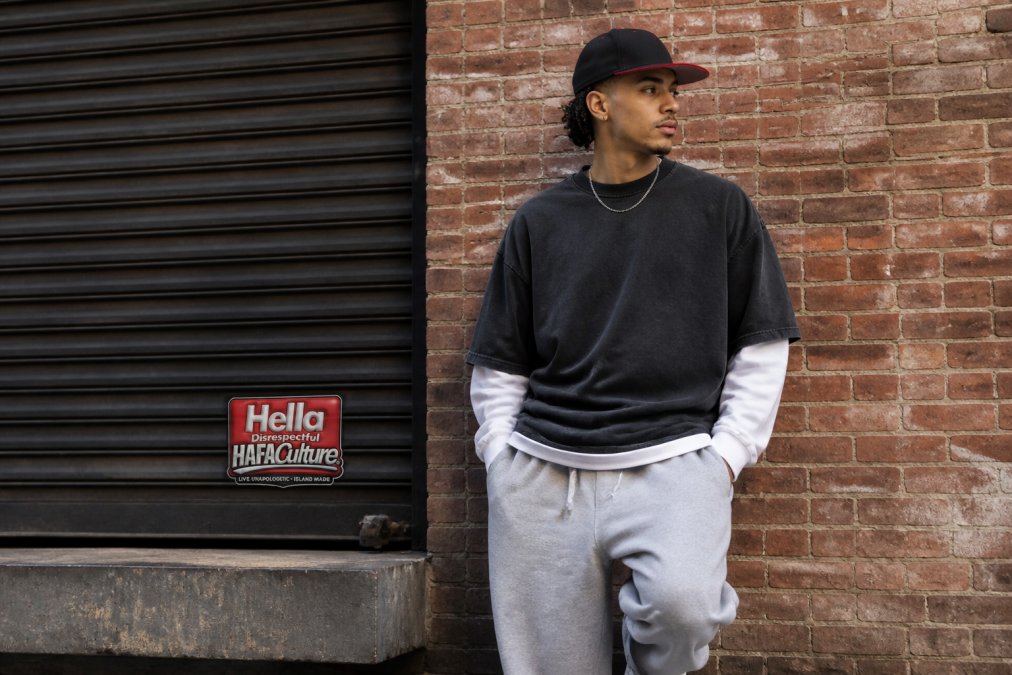
Your signature streetwear look emerges from how you combine pieces, not from having the most pieces.
What Sets Independent Brands Apart
Independent streetwear brands compete on authenticity, not resources. This is their advantage.
| Element | Purpose | Impact |
|---|---|---|
| Heavyweight fabric (6.5 oz+) | Durability and premium feel | Piece holds shape and looks intentional |
| Bold graphic design | Visual communication | Outfit carries a message |
| Oversized silhouette | Aesthetic signature | Creates recognizable fit profile |
| Limited drops | Scarcity and community | Pieces feel special and collectible |
| Consistent color palette | Brand recognition | Wearer recognizes pieces without a logo |
| Layering pieces | Outfit versatility | Multiple looks from fewer pieces |
Frequently Asked Questions
What is the streetwear brand aesthetic?
Streetwear brand aesthetic combines bold graphic design, oversized silhouettes, and urban cultural references into a cohesive visual identity. It prioritizes authenticity and attitude over mainstream trends, drawing from skate culture, hip-hop, and street art. The best streetwear brands use typography, limited-edition drops, and textural contrast to create a distinct look that speaks to their audience's values and identity.
How can I tell if a streetwear brand is actually authentic or just copying trends?
Authentic streetwear brands show clear creative vision in their graphic design and typography choices, not generic symbols. They tell a story about where they come from and what they stand for, whether that's regional pride, cultural heritage, or a specific subculture. Look at how consistently they execute their aesthetic across products, how they engage with their community, and whether their designs feel intentional rather than trend-chasing. Independent brands often invest in quality materials and construction, not just flashy graphics.
What are the most important pieces to build a streetwear wardrobe?
Start with heavyweight graphic tees as your foundation, they anchor any streetwear fit. Add oversized hoodies or jackets for layering and silhouette play. Structured snapbacks or caps provide attitude and complete the look. Utility wear like cargo pants or technical jackets add texture and function. The key is mixing bold statement pieces with neutral basics, then layering strategically. Quality matters more than quantity; a few well-made pieces beat a closet full of cheap basics.
How important is graphic design to a streetwear brand's identity?
Graphic design and typography are the visual DNA of streetwear. They differentiate brands in a crowded market and communicate attitude instantly. Bold typography, custom artwork, and deliberate color palettes turn a basic tee into a statement piece. Successful streetwear brands develop signature design languages, whether minimalist, maximalist, or cyberpunk-inspired, that become instantly recognizable. The design must feel intentional and aligned with the brand's cultural roots or creative vision, not random or trend-focused.