

Why Wear Pacific Islander Inspired Clothing: Culture, Pride, Identity
Table of Contents
- Why Pacific Islander Inspired Clothing Matters Beyond Fashion
- Understanding Traditional Pacific Islander Clothing and Its Roots
- Pacific Islander Clothing Meaning: Symbols, Patterns, and Stories
- How to Wear Island-Inspired Clothing Respectfully
- Håfa Adai Meaning and Culture: Chamorro Pride in Wearable Form
- Cultural Identity and Self-Expression Through Pacific Islander Fashion
- Frequently Asked Questions
Last Updated: October 13, 2026
Why Pacific Islander Inspired Clothing Matters Beyond Fashion
Wearing Pacific Islander inspired clothing is more than a style choice, it's a statement of identity, cultural pride, and connection to a legacy that spans thousands of years across the ocean.
At Hella Disrespectful Clothing, we understand that bold, unapologetic self-expression through apparel means something specific: it's about wearing your truth without apology. Pacific Islander inspired clothing does exactly that. It carries stories of voyaging canoes, ocean navigation, family bonds, and the resilience of island communities. Every pattern, every symbol, every design choice tells a narrative that matters.
The question isn't just "why wear Pacific Islander inspired clothing", it's about recognizing what that choice actually means to you and to the communities whose heritage you're representing. Are you claiming your own identity? Honoring your ancestors? Showing solidarity with island communities? Each reason carries weight, and understanding that weight is what separates authentic wear from empty gestures.
Understanding Traditional Pacific Islander Clothing and Its Roots
Traditional Pacific Islander clothing reflects the unique geography, climate, and cultural values of communities spread across Polynesia, Melanesia, and Micronesia. Before Western contact, island peoples developed clothing and textiles perfectly suited to tropical environments while embedding cultural meaning into every garment and pattern.
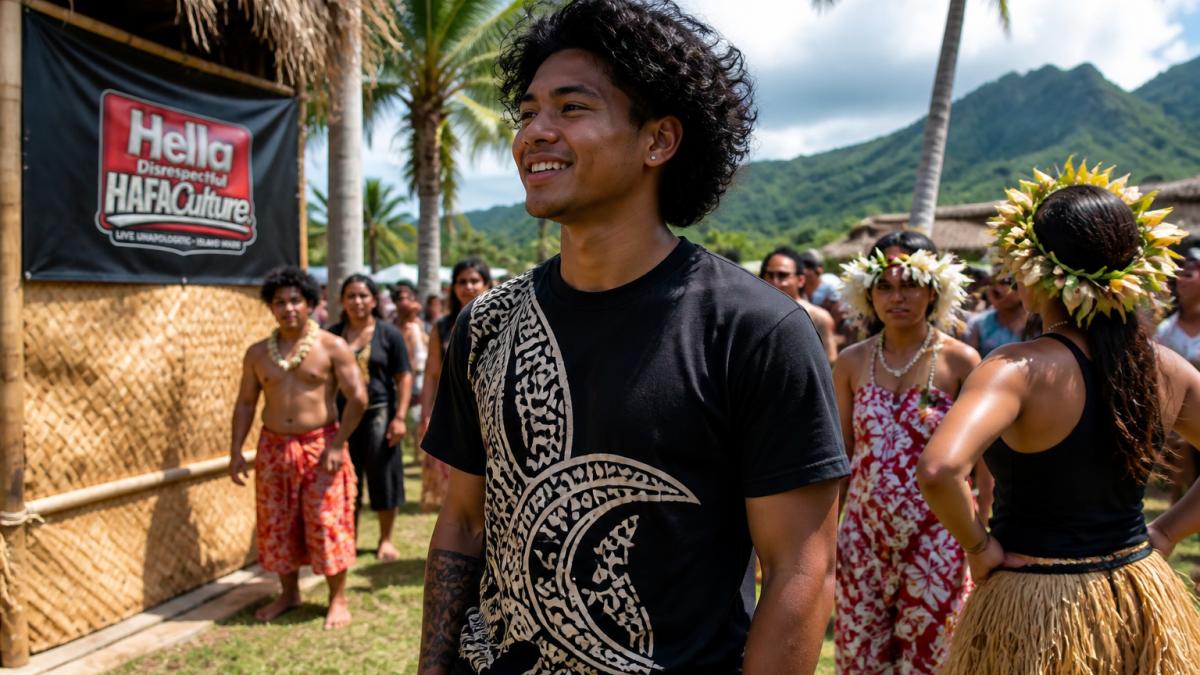
The foundation of traditional Pacific Islander clothing centered on natural materials, tapa cloth made from bark, woven fibers from coconut palms, and later, imported fabrics adapted to local aesthetics. These weren't just practical choices; they were expressions of skill, status, and cultural identity. The patterns woven or printed onto these materials told stories of navigation routes, family lineages, and spiritual beliefs.
Polynesian, Melanesian, and Micronesian Distinctions
Polynesia, Melanesia, and Micronesia represent distinct cultural regions with their own clothing traditions, though they share ocean-based heritage and interconnected histories. Polynesian cultures, including Hawaiian, Samoan, Tongan, and Tahitian, developed bold patterns reflecting their voyaging traditions and deep connection to the ocean. Melanesian clothing, found across Fiji, Solomon Islands, and Papua New Guinea, emphasizes different weaving techniques and tribal-specific designs. Micronesian dress, including Chamorro traditions from Guam, carries its own distinct aesthetic rooted in island navigation and community structure.
Understanding these distinctions matters when you wear Pacific Islander inspired clothing. A Samoan design carries different cultural weight than a Hawaiian one. A Tongan pattern tells a different story than a Fijian textile. When you choose to wear clothing inspired by a specific culture, you're making a choice about which narrative you're amplifying and which community you're honoring.
From Voyaging Canoes to Modern Streetwear
The transition from traditional Pacific Islander clothing to modern streetwear represents a fascinating evolution. Island communities maintained their cultural dress while adapting to colonial influence, missionary presence, and globalization. What emerged was a hybrid aesthetic, contemporary silhouettes paired with traditional patterns, modern fabrics featuring ancestral designs, and streetwear that carries the defiant energy of communities reclaiming their identity.
Modern Pacific Islander inspired clothing takes those ancient symbols, voyaging canoes, ocean waves, tropical flowers, navigation stars, and places them on contemporary pieces. A graphic tee becomes a canvas for cultural storytelling. Streetwear becomes a vehicle for pride and resistance. This evolution isn't dilution; it's adaptation. Island communities have always been innovators, taking what works and making it their own.
Pacific Islander Clothing Meaning: Symbols, Patterns, and Stories
Every element in traditional and Pacific Islander inspired clothing carries meaning. These aren't random decorative choices, they're visual language encoding cultural values, historical events, and spiritual beliefs.
Ocean Waves, Flowers, and Nature as Cultural Language
Ocean waves appear across Pacific Islander inspired clothing as one of the most recognizable symbols. Waves represent navigation, the voyaging heritage that connected island communities across thousands of miles of ocean, and the constant presence of the sea in island life.
Flowers, hibiscus, plumeria, orchids, carry their own significance. They represent beauty, connection to the land, and the tropical abundance of island environments. But they're not merely decorative. In many Pacific cultures, specific flowers mark important occasions, spiritual moments, or family connections. A flower pattern isn't just pretty; it's a cultural marker.
Ocean creatures, whales, fish, sea turtles, appear frequently in Pacific Islander inspired clothing, representing the relationship between island peoples and marine life. These animals aren't just food sources; they're spiritual guides, navigation markers, and symbols of abundance. When a design features a breaching whale or a stylized fish, it's referencing centuries of cultural relationship with the sea.
What Your Design Choices Say About Your Identity
Choosing to wear Pacific Islander inspired clothing makes a statement about how you see yourself and what you value. If you're wearing a design that celebrates your own heritage, a Samoan tee if you're Samoan, a Tongan graphic if you're Tongan, you're asserting your cultural identity in public. You're saying: this is who I am, and I'm proud enough to wear it.
If you're wearing Pacific Islander inspired clothing as an ally or someone with deep respect for island cultures, your choice signals solidarity and recognition of communities often overlooked in mainstream fashion. You're choosing to amplify voices and stories that deserve visibility.
The specificity of your choice matters. When you wear something from a collection like Hella Disrespectful Clothing's Samoan Culture Tee, featuring traditional voyaging canoes, island imagery, and cultural values like aiga (family), alofa (love), and fa'aaloalo (respect), you're making a deliberate statement about what you're representing.

How to Wear Island-Inspired Clothing Respectfully
Respect in wearing Pacific Islander inspired clothing starts with understanding the difference between inspiration and appropriation, and continues with intentional choices about when, where, and how you wear these pieces.
The Line Between Inspiration and Appropriation
Inspiration draws from a culture while acknowledging and honoring its source. You're learning about the meaning behind what you're wearing. You're supporting creators and brands that center Pacific Islander voices and expertise. You're wearing the piece with awareness of its cultural significance.
Appropriation strips cultural meaning away, treats sacred or community-specific elements as generic decoration, and profits from or claims credit for cultural elements without acknowledgment or respect.
The line between these two isn't always obvious, but asking yourself these questions helps: Do I know what this design represents? Am I wearing it to mock or genuinely honor? Does the creator of this piece have connection to the culture being represented?
When you wear Pacific Islander inspired clothing from brands like Hella Disrespectful Clothing that center authentic cultural representation, you're on the respect side of that line. These pieces are created with cultural grounding, not stripped-down tropical generics.
Styling for Different Occasions and Climates
Pacific Islander inspired clothing works across multiple contexts when you approach styling intentionally. For casual, everyday wear, pair a bold graphic tee with fitted jeans or shorts. The piece itself is statement-making, so let it be the focal point.
For cultural events, family gatherings, or festivals, Pacific Islander inspired clothing becomes even more powerful. A Samoan Culture Tee or Tongan Culture Tee worn to a family celebration or cultural event isn't just fashion, it's participation in community identity.

For professional or formal settings, the approach shifts slightly. A high-quality Pacific Islander inspired piece in a more understated colorway or worn under a blazer can work in certain environments.
Climate-wise, Pacific Islander inspired clothing works best in warm weather, which aligns with the tropical origins of these designs. Lightweight fabrics, breathable materials, and designs that reference ocean and island imagery feel natural in summer months.
Håfa Adai Meaning and Culture: Chamorro Pride in Wearable Form
Håfa Adai carries deep meaning in Chamorro culture, it's both a greeting and a philosophy. The phrase translates roughly to "what's up" or "hello," but it encompasses far more: it represents warmth, respect, community, and the Chamorro spirit of connection. When Chamorro people say Håfa Adai, they're invoking a cultural value system centered on relationships and mutual respect.
For Chamorro individuals and diaspora communities, wearing clothing that represents Håfa Adai and Chamorro culture is an act of reclamation and pride. It's a way of saying: I carry this identity with me, and I'm proud to show it.
Hella Disrespectful Clothing's approach to Chamorro representation through pieces like the Hafa Culture series reflects this understanding. These aren't generic Pacific designs; they're specifically grounded in Chamorro identity and values. When you wear a piece from this collection, you're wearing something that centers Chamorro voices and heritage.
Cultural Identity and Self-Expression Through Pacific Islander Fashion
Clothing has always been a primary vehicle for cultural identity expression. What you wear communicates who you are, what you value, and which communities you belong to or honor.
For Pacific Islanders wearing clothing that represents their own heritage, the stakes are different than for allies wearing the same pieces.
The defiant energy of brands like Hella Disrespectful Clothing aligns perfectly with this function. These pieces aren't apologetic or watered down.
Self-expression through Pacific Islander inspired clothing also means choosing pieces that genuinely resonate with you. A Fijian Culture Tee featuring a traditional sailing canoe, island imagery, coral, flowers, and ceremonial elements speaks to something specific.

The quality matters too. These details signal that you're investing in something meaningful, not treating cultural representation as disposable fashion.
Wearing Pacific Islander inspired clothing is an act of cultural affirmation, whether you're claiming your own heritage or honoring communities you respect.
Hella Disrespectful Clothing makes this choice easier by centering Pacific Islander voices, offering heavyweight apparel that lasts, and refusing to compromise on cultural specificity.
Frequently Asked Questions
What is the difference between Pacific Islander-inspired clothing and traditional attire?
Traditional Pacific Islander clothing refers to garments worn for centuries, think Hawaiian kapa cloth, Samoan fine mats, or Tongan royal dress, created for specific cultural ceremonies and daily life. Pacific Islander-inspired clothing adapts those design elements, patterns, and cultural symbols into modern streetwear and casual wear. The key difference: traditional attire carries ceremonial weight and specific cultural protocols, while inspired clothing celebrates heritage through contemporary fashion that's accessible to diaspora communities and those who respect the culture.
How can I wear island-inspired clothing respectfully without appropriating culture?
Respect comes down to intent and knowledge. Wear Pacific Islander-inspired designs because you understand and honor what they represent, not as a costume or trend. Learn the stories behind the symbols: what do those ocean waves mean? Why are those flowers significant? Support brands like Hella Disrespectful Clothing that are rooted in Pacific Islander communities and reinvest in cultural representation. Avoid sacred or ceremonial-specific items, and never claim a culture as your own if you're not part of it. Appreciation means listening to Pacific Islander voices about what feels respectful.
What does Håfa Adai mean, and why does it matter in Chamorro culture?
Håfa Adai is a Chamorro greeting meaning 'what's up' or 'hello,' but it carries deeper cultural weight, it's a symbol of Chamorro identity, resilience, and pride. For Chamorro people, wearing clothing that features Håfa Adai or Chamorro cultural symbols is an act of self-determination and visibility. It says: I am Chamorro, I am here, and my culture matters. For the broader community, understanding Håfa Adai means recognizing Chamorro contributions to Pacific Islander identity and respecting their distinct history and voice within the larger regional culture.
Why should I choose Pacific Islander-inspired clothing over generic streetwear?
Because it speaks. Generic streetwear blends in; Pacific Islander-inspired pieces carry meaning, history, and identity. They celebrate ocean voyaging, family values, connection to land and sea, and generations of cultural pride. When you wear a design featuring traditional canoes, island landscapes, and cultural patterns, you're not just making a fashion statement, you're carrying your heritage or honoring a culture you respect. It's unapologetic self-expression rooted in something real, not a trend designed to disappear next season.