

How Do You Support Indigenous Fashion Designers?
Last Updated: October 24, 2026
Quick Summary
Buy directly from Indigenous fashion designers through their own websites, Indigenous makers markets, museum shops, and Indigenous-run platforms rather than resellers. Verify ownership by checking the brand's disclosure of who founded it and which community they belong to, and ask directly if it is unclear. Paying full price, crediting the maker, and sharing their work keep your money and visibility flowing to the source.
- Resellers add a markup and often strip the story, so the designer may see a fraction of what you paid.
- Museum shops like the Smithsonian's National Museum of the American Indian prioritize Native-made goods with artist attribution.
- Vague about pages using phrases like native-inspired without naming a person or nation are a red flag.
- Ask the designer about the meaning of a design and any protocols around wearing it.
- Hire Indigenous creatives for real paid work with a paid rate agreed upfront, not exposure.
Table of Contents
- Start With the Money: Buying Directly From Indigenous Fashion Designers
- Where to Buy Indigenous Fashion Without Guesswork
- Indigenous Fashion Designers to Support and How to Find More
- How to Support Indigenous Artists Beyond the Checkout Page
- Indigenous Fashion Designers and Cultural Appropriation: How to Tell the Difference
- Fair Pay, Credit, and Collaboration: What Real Support Looks Like
- Build a Long-Term Relationship With the Designers You Back
- Wear Your Support: Shop the Hafa Culture Collection
- Frequently Asked Questions
Start With the Money: Buying Directly From Indigenous Fashion Designers
The fastest way to support Indigenous fashion designers is to buy directly from them. Not from a reseller. Not from a big-box store that borrowed the aesthetic.
Indigenous fashion is clothing, accessories, and wearable art designed by Native, First Nations, and Pacific Islander creatives who carry cultural heritage into modern style.
Here is the uncomfortable truth most guides skip. A designer can pour months into a piece and still lose the sale to a middleman who copied the look.
Skip the Reseller and Go to the Source
Resellers add a markup and often strip the story. When you buy from a reseller, the designer may see a fraction of what you paid, or nothing at all.
Buying direct changes the math:
- The designer sets their own price
- The money funds their next collection
- You get the real story behind the piece
A common mistake is assuming a boutique "Native-inspired" rack supports Native designers. Often it does not. Ask before you swipe your card.
Where to Buy Indigenous Fashion Without Guesswork
You can find authentic Indigenous fashion through designer websites, Indigenous-run markets, and curated platforms that vet their sellers. The key is knowing where to look and what to check.
Start with these channels:
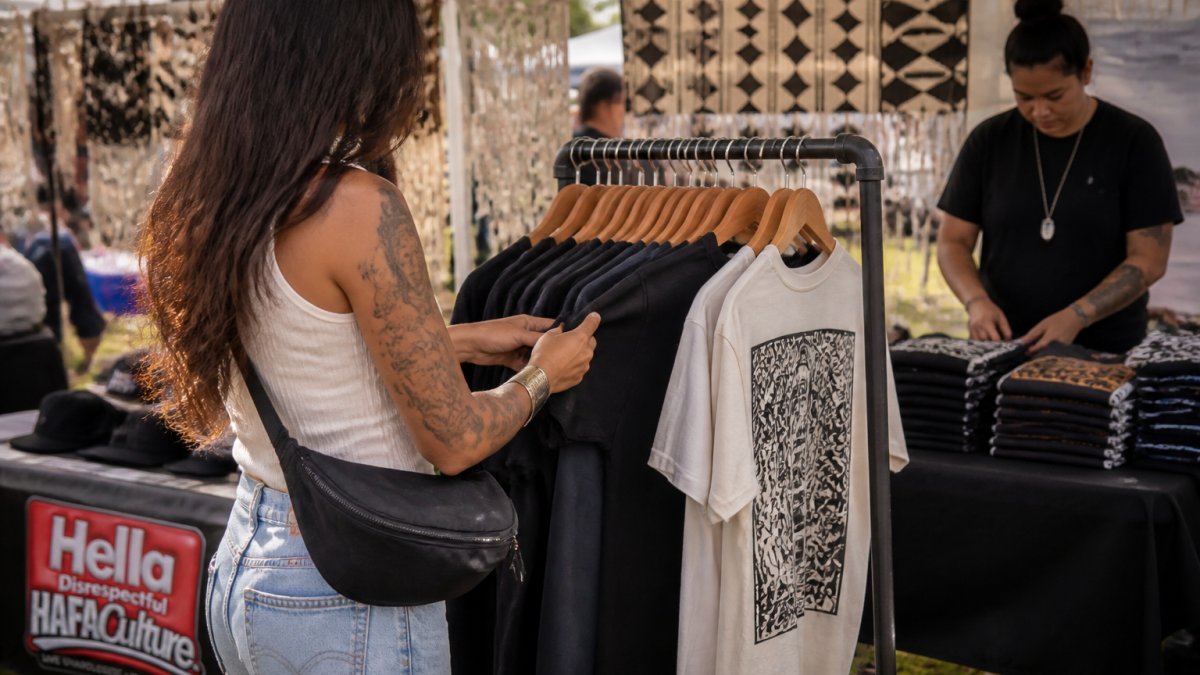
- Designer websites and social pages. Many Indigenous creatives sell direct through their own shops. Look for a clear "About" page that names the designer's nation or community and explains the story behind the work.
- Indigenous makers markets and powwows. You meet the artist and see the work in person. These events often publish vendor lists in advance, so you can research designers before you go.
- Museum shops and cultural centers. These often stock verified Indigenous artists. Institutions like the Smithsonian's National Museum of the American Indian operate shops that prioritize Native-made goods and provide artist attribution.
- Indigenous-run fashion platforms. Look for ones that name their designers and share their tribal affiliations. Examples include platforms that curate Indigenous-owned brands and publish designer bios with community ties.
How to Verify Indigenous Ownership Before You Buy
A slick product page proves nothing. Plenty of brands use the word "tribal" without a single Indigenous person behind the label. Use this verification sequence:
- Check the brand's ownership disclosure. Reputable Indigenous-led businesses typically state who founded the company and which community they belong to. If the about page is vague or uses phrases like "inspired by Native culture" without naming a person or nation, treat it as a red flag.
- Look for tribal affiliation or enrollment. Many Indigenous designers openly share their tribal enrollment or citizenship. This is not a universal requirement, but it is a common transparency signal.
- Search the designer's name. Cross-reference with news articles, interviews, or organizational directories that confirm their background.
Red Flags That Signal a Brand Is Not Indigenous-Led
- The brand uses sacred symbols (e.g., medicine wheels, kachina figures, or specific tribal patterns) without explanation or permission.
- Product descriptions rely on generic terms like "tribal," "aboriginal," or "native-inspired" without naming a specific nation or designer.
- The brand sells mass-produced items at prices that undercut handmade work, with no information about production.
By combining these checks with the channels above, you can buy with confidence and keep your dollars flowing to authentic Indigenous creators.
Indigenous Fashion Designers to Support and How to Find More
The best way to find Indigenous fashion designers to support is to follow the platforms and events that center them.
Look for:
- Indigenous fashion weeks and showcases that feature Native and First Nations designers
- Fashion collectives run by and for Indigenous creatives
- Designer directories from Indigenous-led organizations
Representation and visibility matter here. When you share a designer's work, you amplify them to people who would never find them otherwise.
For a running list of authentic brands to buy from, see our guide to 7 authentic Chamorro streetwear brands worth your money.
How to Support Indigenous Artists Beyond the Checkout Page
Buying is step one. Real support goes further, and it costs you very little.
Here is how to support Indigenous artists beyond a single purchase:
- Share their work with your own audience, even a small one
- Tag the designer when you wear their piece in a photo
- Leave honest reviews that name the maker
Collaboration matters too. If you run a business, hire Indigenous creatives for real paid work, not exposure.
For more ways to honor Pacific Islander heritage beyond shopping, our guide on 7 ways to honor Pacific Islander heritage breaks down practical steps you can take this month.
Indigenous Fashion Designers and Cultural Appropriation: How to Tell the Difference
Cultural appropriation is when someone outside a culture copies its sacred or signature designs for profit without permission, credit, or respect. Real support means honoring cultural authority, not borrowing it.
The line is not always obvious. A designer from the community can use traditional motifs because they carry that heritage. An outsider selling the same patterns as a trend usually cannot.
Appropriation vs. Appreciation: A Practical Framework
Appreciation involves learning about a culture and engaging with it respectfully, often by purchasing from and crediting insiders. Appropriation involves taking cultural elements without permission, often for profit, and often by people outside the culture. The difference is not about intent alone; it is about impact and accountability.
Ask yourself:
- Who benefits? If the money and visibility flow to outsiders while the originating community sees nothing, that is appropriation.
- Is there permission? For sacred or signature designs, permission from the originating community is essential. Some designs are not meant to be shared outside the community at all.
- Is there credit? Naming the designer and their nation is a minimum. Erasing the source is a red flag.
Community-Specific Protocols: One Size Does Not Fit All
Indigenous peoples are not a monolith. Protocols vary by nation, community, and even family. Some communities welcome outsiders wearing their designs when purchased from community members; others consider certain motifs off-limits entirely. There is no universal rulebook.
The respectful approach is to follow the guidance of the specific community whose design you are engaging with. That means:
- Ask the designer. If you are buying directly, ask about the meaning of the design and any protocols around wearing it.
- Look for community guidance. Some tribal governments and cultural organizations publish guidelines on cultural property and appropriate use.
- Do not assume. What is acceptable for one nation may be inappropriate for another. Avoid generalizing from one experience.
Questions to Ask Before You Buy
Run any purchase through this checklist:
- Does the brand name the Indigenous designer or community behind the piece?
- Is the designer actually from that nation or culture?
- Does the brand explain the meaning of its motifs?
If the answers are vague, walk away. For a deeper look at whether wearing Indigenous prints is respectful or offensive, read is wearing Chamorro prints offensive. And if you want a broader framework, our respectful guide to wearing cultural prints walks you through it step by step.
How to Seek Permission and Collaborate Respectfully
If you are a brand, retailer, or institution looking to collaborate with Indigenous designers, permission is not a one-time checkbox. It is an ongoing relationship. Start by approaching the designer or community directly, be clear about your intended use, and be prepared to pay for their time and expertise.
By approaching each purchase and collaboration with humility and a willingness to follow community guidance, you can support Indigenous fashion designers without crossing into appropriation.
Fair Pay, Credit, and Collaboration: What Real Support Looks Like
Fair compensation is the backbone of ethical collaboration. A designer who gets paid properly can keep creating, hire help, and grow a real business.
Here is what fair support looks like in practice:
| What to Check | Weak Sign | Strong Sign |
|---|---|---|
| Credit | Designer unnamed | Designer named and tagged |
| Payment | "Exposure" offered | Paid rate agreed upfront |
| Permission | Motifs copied freely | Written permission for designs |
| Story | Generic "tribal" copy | Specific nation and meaning |
| Longevity | One-off drop | Repeat collections |
The thing nobody tells you about collaboration is that credit and cash are not optional extras. They are the whole point.
Build a Long-Term Relationship With the Designers You Back
Long-term support beats one viral purchase. Indigenous entrepreneurs grow when customers come back, refer friends, and stick with them across collections.
Try this:
- Follow your favorite designers and turn on post alerts
- Buy from new drops instead of waiting for clearance
- Recommend them by name when friends ask where you shop
Sustainable fashion and slow buying fit naturally here. Fewer, higher-quality pieces from real makers beat fast fashion hauls every time.
Wear Your Support: Shop the Hafa Culture Collection
You can support Indigenous fashion designers and wear your own culture at the same time. That is exactly why we built the Hafa Culture collection at Hella Disrespectful Clothing.
Our Håfa Culture Tee ($25.00) is a bold tribute to the Mariana Islands. We also carry the Pacifika Culture Tee ($25.00), which represents Polynesia, Melanesia, and Micronesia with voyaging canoes and ocean waves.


Every piece is designed to speak for itself. No explaining required.
Frequently Asked Questions
How can I tell whether a fashion brand is Indigenous-owned?
Look for a named founder or family with a stated tribal affiliation, a brand story that names specific communities, and a contact page that leads to a real person. Check whether the brand credits its artists and explains where designs come from. A vague claim of being inspired by Native culture is not the same as Indigenous ownership. If the about page never names a nation, a person, or a design source, treat that as a warning sign and ask before you spend.
Where can I buy clothing designed by Indigenous artists?
Start with the designers' own websites and social pages, since that is where the largest share of each sale reaches them. Then look at Indigenous-run collectives, museum shops with Native artist programs, and makers markets and fashion shows hosted by tribal organizations. Powwows and cultural festivals often have vendor rows full of Native designers. Buying direct beats buying through a marketplace reseller, where the designer may see a fraction of the price.
How can I support Indigenous designers without buying clothing?
Share their work with a link and the designer's name attached, not a screenshot stripped of credit. Attend their shows, comment on their posts, and recommend them when someone asks where a piece came from. If you work in retail, media, or events, offer a paid slot rather than an exposure trade. Referrals and paid collaborations move a career forward faster than a single shirt purchase, and they cost you little.
What should I consider before wearing Indigenous-inspired designs?
Ask whether the design came from a Native artist or was copied from one. Motifs tied to ceremony, clan, or family often are not meant for general wear, and a designer from that nation is the right person to decide. If you buy from an Indigenous designer, wear it as intended and credit them when people ask. If a mass retailer is selling a pattern with no source, that is cultural appropriation, and your money is better spent elsewhere.
The gap between "supporting" Indigenous fashion and actually supporting it comes down to where your money goes and who gets the credit. We built Hella Disrespectful Clothing to close that gap, with culture-first designs and custom DTF printing for your own ideas. Get started with Hella Disrespectful Clothing and wear your support loud.
